
Soil Health & Watershed Groups
The Wetlands Initiative
Illinois
Restoring Nature’s Filters: The Mission of The Wetlands Initiative (TWI)
In the heart of the Midwest, where wetlands once flourished and now struggle to survive, a nonprofit organization is leading a quiet but powerful revolution in ecological restoration. The Wetlands Initiative (TWI), founded in 1994 and based in Chicago, is dedicated to bringing back the wetlands that once defined the region’s landscape—and its ecological health.
A Vision Rooted in Science and Collaboration
Wetlands are nature’s filters. They clean water, store carbon, prevent floods, and provide critical habitat for wildlife. Yet in states like Illinois and Indiana, less than 10% of original wetlands remain. TWI’s mission is to reverse this loss through innovative, science-based restoration projects that improve water quality, support biodiversity, and build climate resilience.
Their vision is bold: a future where healthy wetlands are abundant and accessible, improving both environmental and human well-being.
Flagship Projects That Inspire
TWI’s work spans rural, urban, and agricultural landscapes, each with its own challenges and opportunities. Among their most celebrated efforts is the Dixon Waterfowl Refuge, a 3,000-acre site near Hennepin, Illinois. Once drained farmland, it has been transformed into a thriving wetland
ecosystem recognized as a Ramsar Wetland of International Importance and an important bird area by the National Audubon Society.
At the Midewin National Tallgrass Prairie, TWI partners with the U.S. Forest Service to restore rare dolomite prairies and sedge meadows—habitats that are among the most endangered in the Midwest.
In the Calumet Region, a historically industrial area near Chicago, TWI is helping reclaim marshes and prairies from decades of pollution and neglect, working alongside community groups to ensure long-term stewardship.
Smart Wetlands for Smart Farming
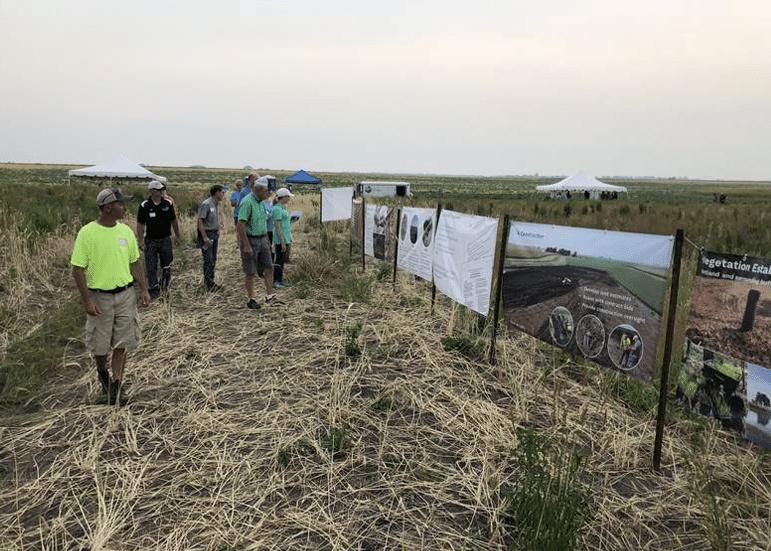
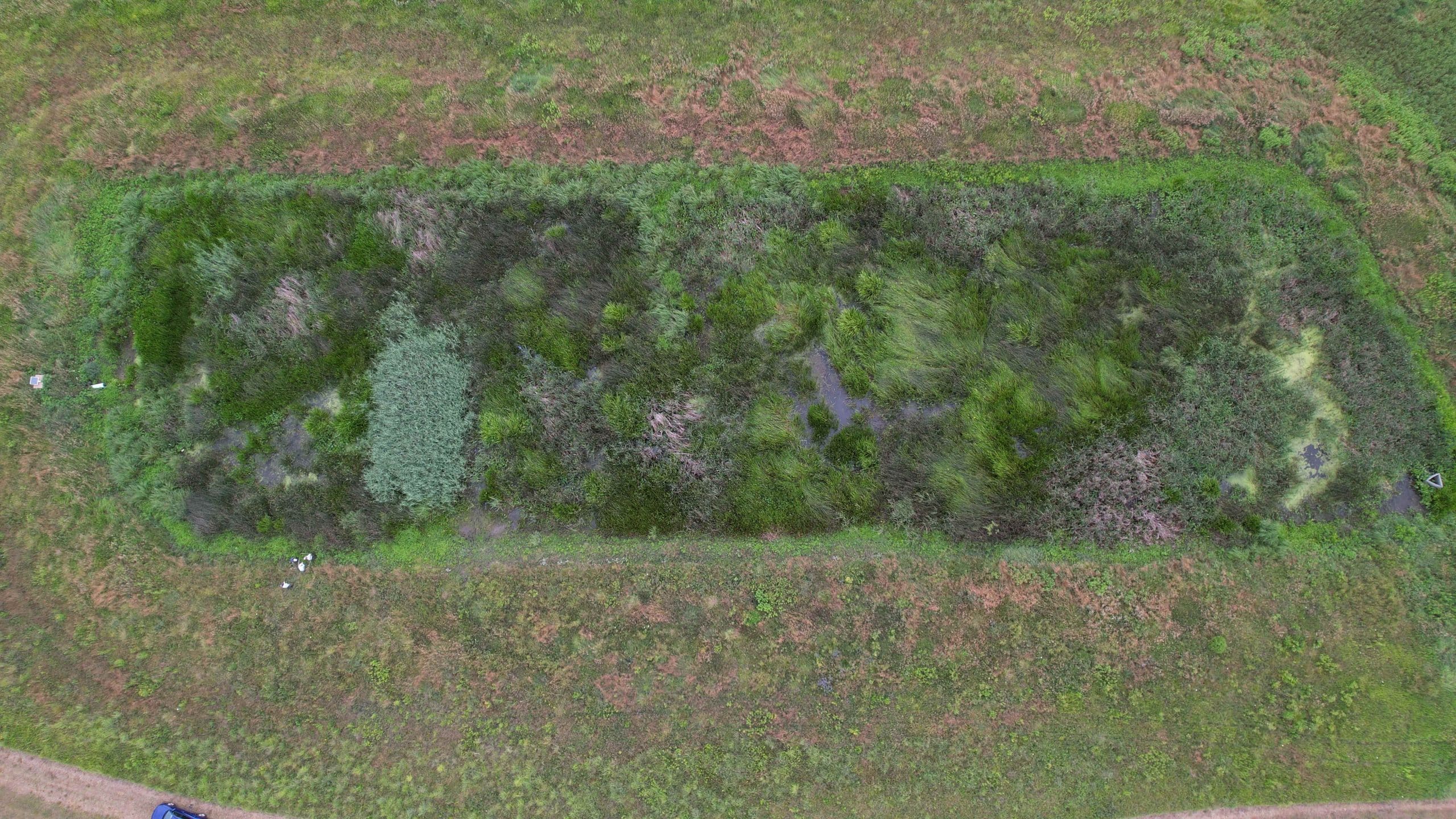
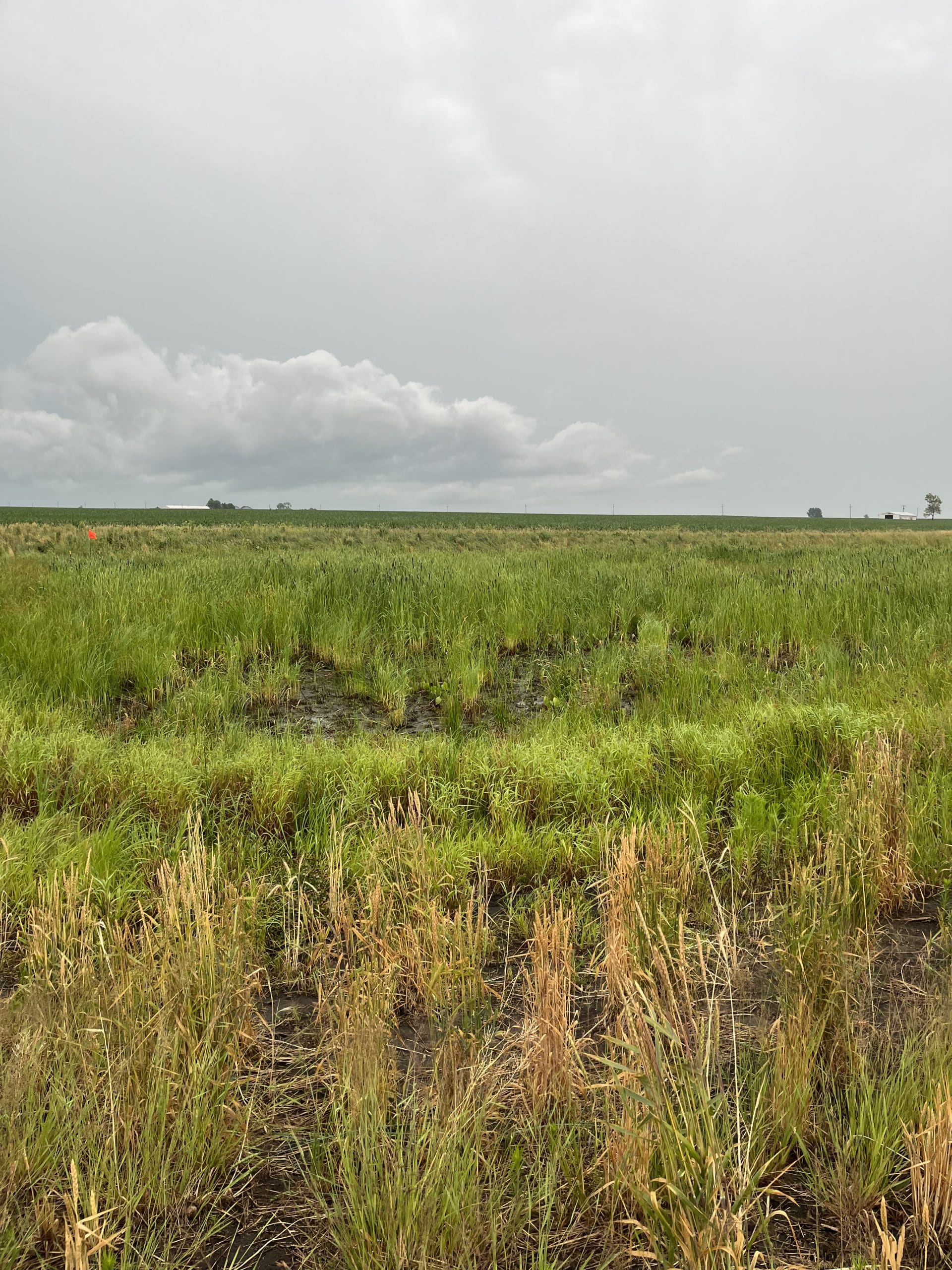
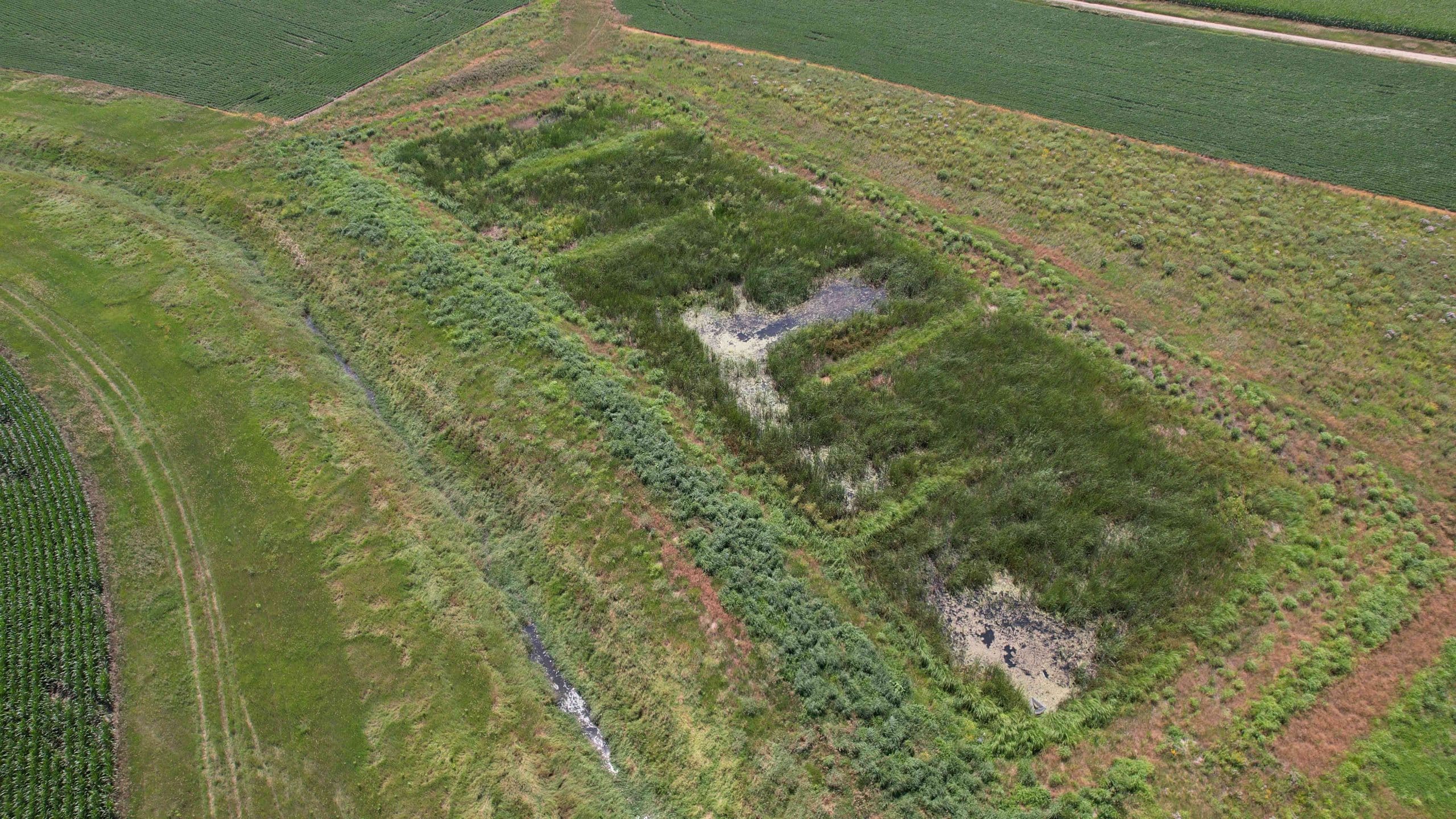
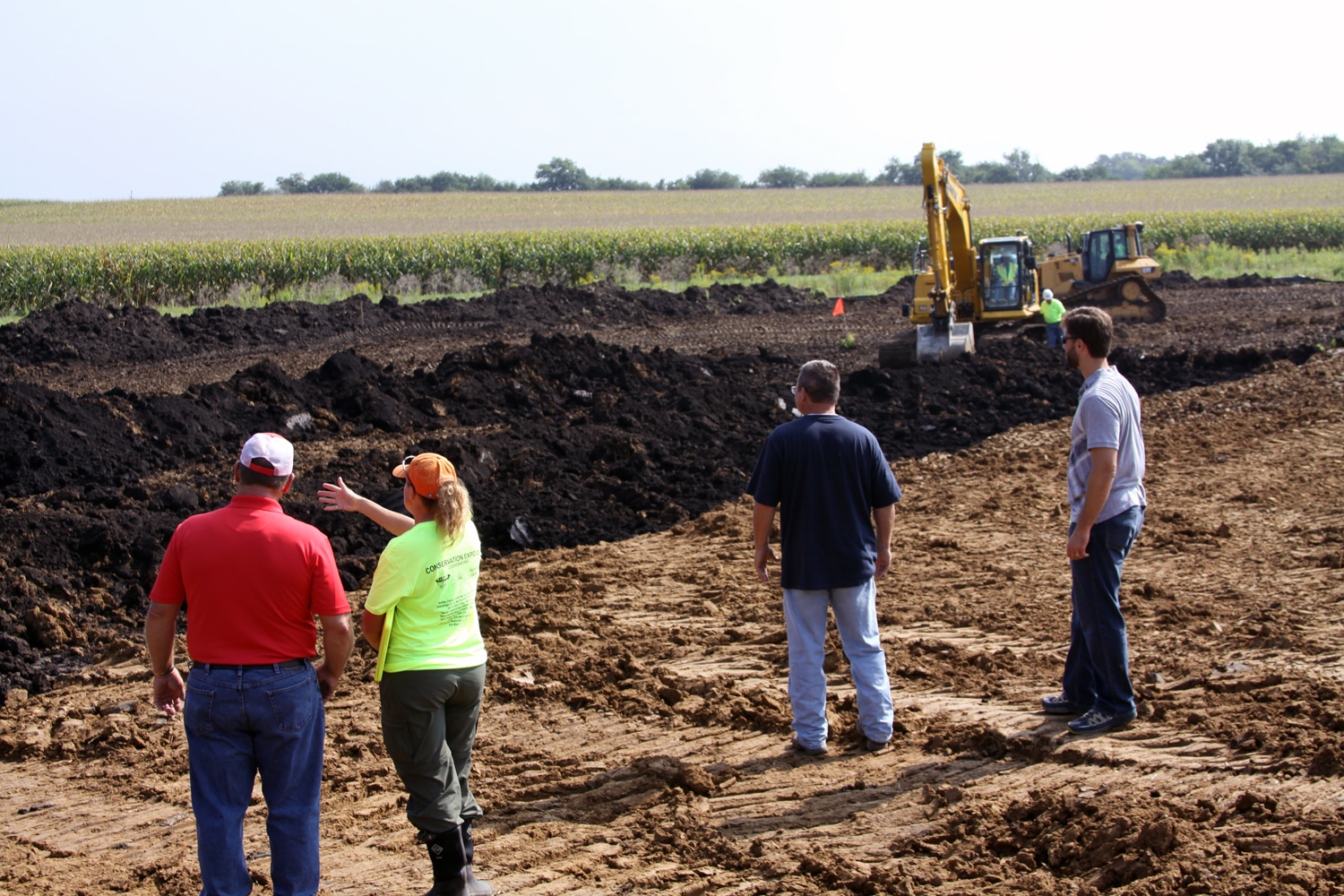
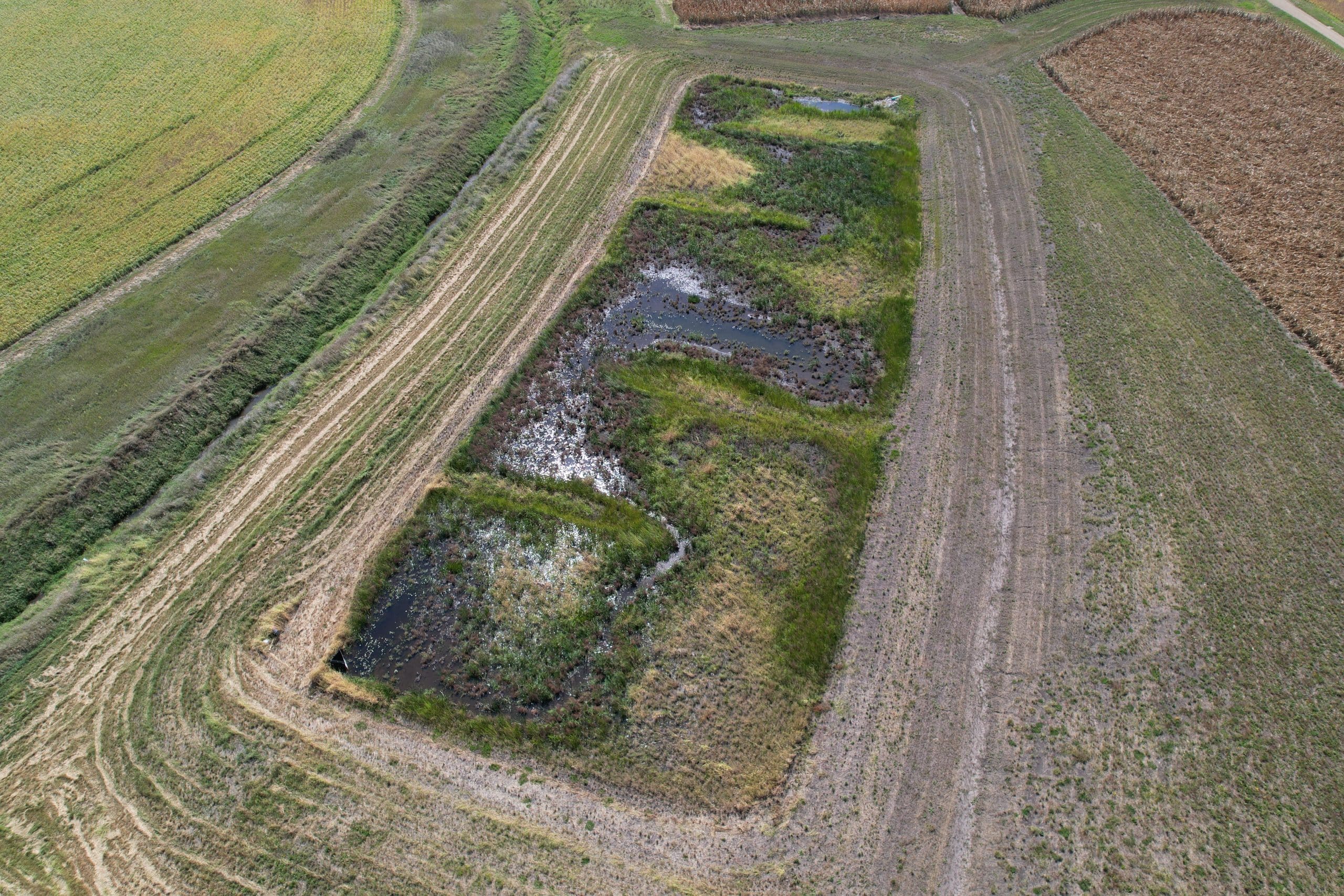
One of TWI’s most innovative programs is the Smart Wetlands Project, which collaborates with Illinois farmers to install constructed wetlands on agricultural land. These systems reduce nutrient runoff—especially nitrogen and phosphorus—that contributes to water pollution and harmful algal blooms downstream. It’s a win-win for farmers and the environment.
Why Wetlands Matter More Than Ever
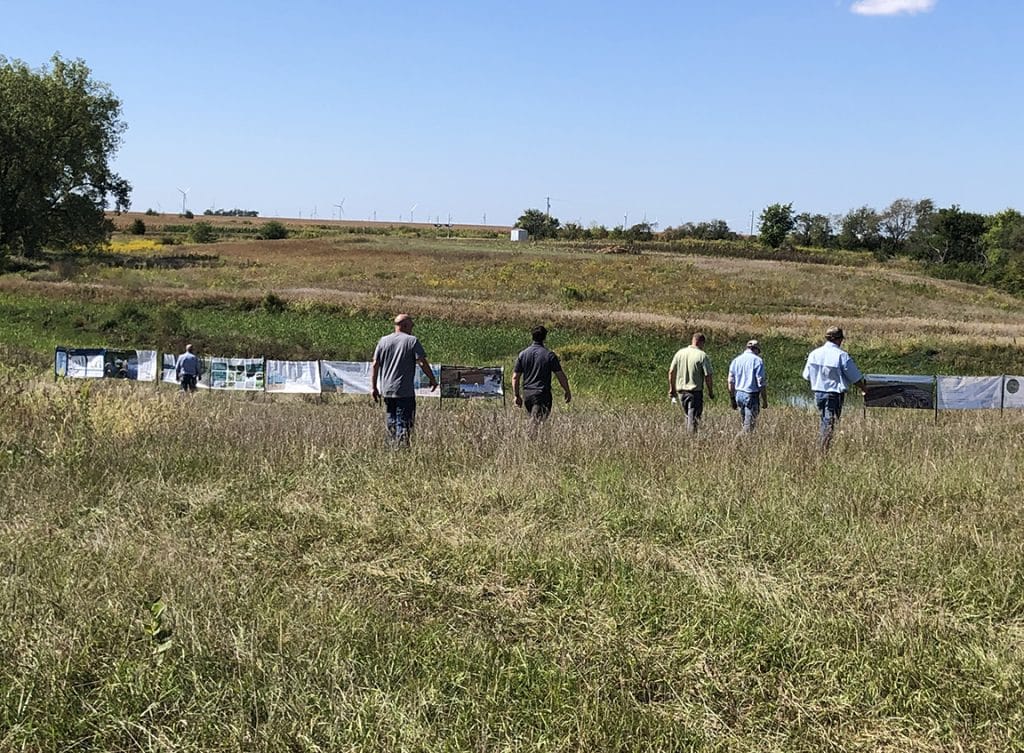
As climate change intensifies, wetlands offer natural solutions to some of our most pressing challenges. They absorb floodwaters, sequester carbon, and provide refuge for species under threat. TWI’s work not only restores ecosystems but also builds resilience for communities across the Midwest.
Looking Ahead
Led by Executive Director Paul Botts, The Wetlands Initiative continues to expand its reach and impact. Through partnerships, education, and hands-on restoration, they are proving that even degraded landscapes can be reborn—and that wetlands are worth fighting for.

Want to be in this directory?
Fill out and submit this form to our coordinator, who will review it and contact you to confirm details. We look forward to hearing from you!