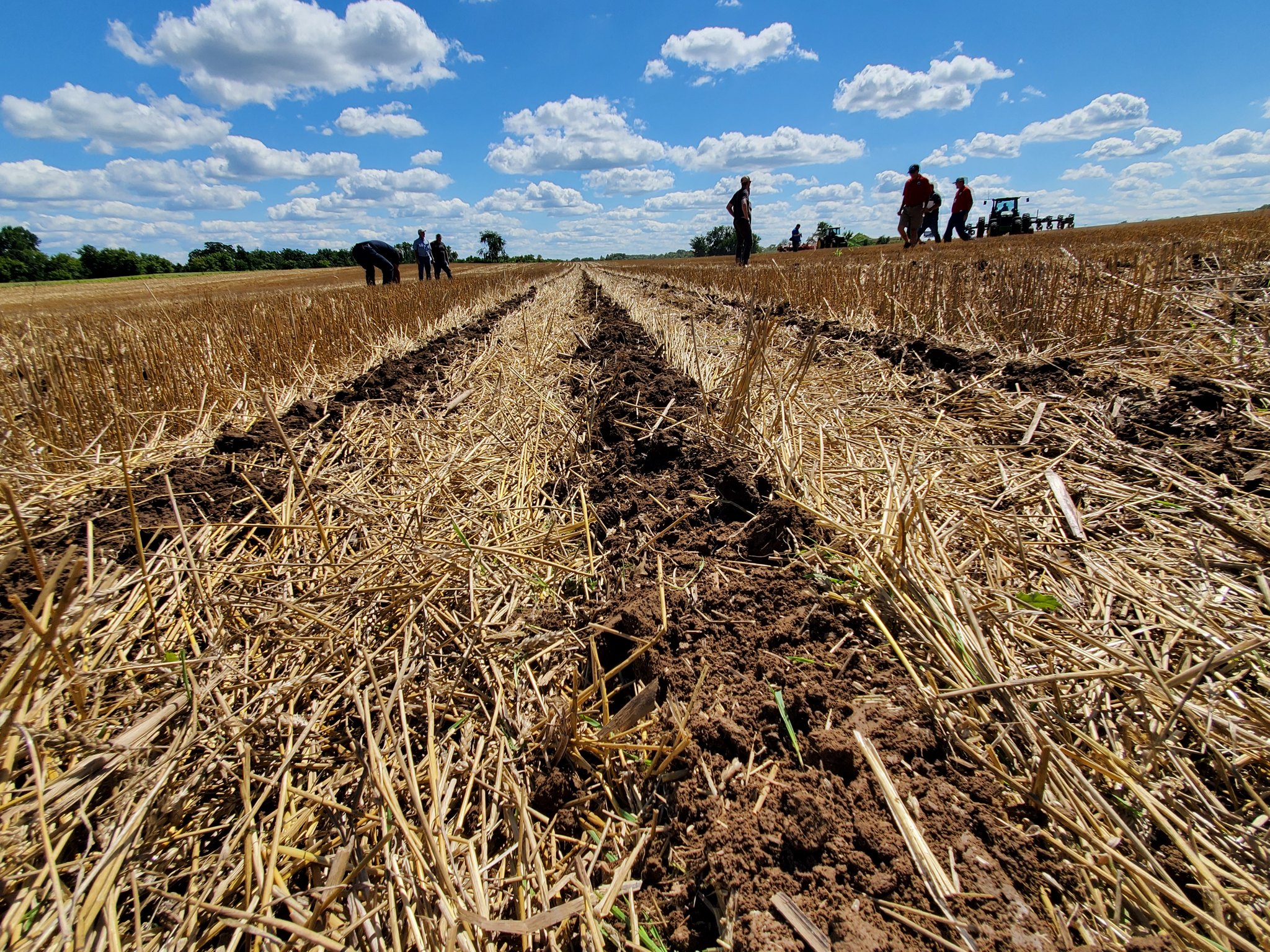

Soil Health & Watershed Groups
Minnesota Department of Natural Resources
Minnesota
The Purpose and Stewardship Ethic of the MN DNR Fisheries Team
The Minnesota Department of Natural Resources Fisheries team operates with a clear and enduring purpose: to protect and manage the state’s aquatic resources so they can sustain diverse fish communities, healthy ecosystems, and meaningful public experiences. This mission shapes their work across thousands of lakes, rivers, and cold‑water streams, including places like the Vermillion River, where biological sensitivity and public demand converge. MN DNR manages more than 4,500 lakes and over 16,000 miles of fishable rivers and streams, grounding each management decision in ecological science and a commitment to long‑term stewardship.
Central to the team’s philosophy is the understanding that healthy fish populations are inseparable from healthy habitats. Their work is guided by statewide fish habitat plans that emphasize shoreline protection, watershed health, invasive species control, and restoration of natural stream functions. These plans articulate the agency’s broader ecological goals: maintaining and improving fish habitat, reducing sedimentation and nutrient loading, and ensuring that aquatic systems remain resilient to environmental pressures. Through these strategies, the Fisheries team seeks to sustain the natural processes that support cold‑water species such as trout, which depend on cool temperatures, intact riparian corridors, and stable streambeds.
Aquatic Management Areas: Protecting Shorelines and Access
The team’s drive also comes from its role as one of the state’s primary caretakers of Aquatic Management Areas, or AMAs. These protected areas safeguard critical shoreland habitat while providing access for anglers, educators, and researchers. Minnesota’s AMA system includes hundreds of miles of managed shoreline across the state, reflecting a belief that public access and habitat conservation advance together when managed intentionally. In places like the Vermillion River, this approach allows MN DNR to protect habitat structure, monitor fish populations, and welcome communities into restored landscapes that illustrate the value of conservation.

Science‑Driven Monitoring and Management
Science is the backbone of the Fisheries team’s work. Staff rely on rigorous monitoring tools, including fish community surveys and indices of biological integrity, to evaluate ecosystem health and guide management actions. These assessment methods help the team understand how habitat changes affect fish communities over time, from cold‑water species like brown trout to a range of non‑game fish important for ecological balance. The team’s commitment to evidence‑based management ensures that restoration and protection efforts are grounded in measurable ecological outcomes rather than short‑term trends or assumptions.
Watershed‑level thinking is another defining element of the Fisheries team’s purpose. The agency understands that the condition of a stream is shaped not only by what happens at the water’s edge but also by land use miles upstream. Pesticides, fertilizers, and sediment from agricultural and urban areas can degrade aquatic habitat, smother eggs, fuel algal blooms, or alter water temperatures. The Fisheries team works with local governments, conservation partners, landowners, and community organizations to reduce these impacts by promoting better land management practices and advocating for habitat‑friendly decisions across entire watersheds.
Public Engagement and Shared Stewardship
Stewardship, for MN DNR Fisheries, is not only ecological but civic. The team places high value on public engagement, knowing that long‑term conservation depends on public understanding and shared responsibility. They work directly with anglers, farmers, lakeshore owners, and local communities to foster an ethic of care for aquatic ecosystems. This emphasis on education and outreach reflects a foundational belief: people protect what they understand, and they value what they can access. Collaborative relationships with professional partners and community groups strengthen this work, connecting ecological science with local knowledge and shared landscape goals.
Protecting Minnesota’s Natural Heritage
The Fisheries team’s drive comes from a combination of scientific responsibility and a deeper recognition of Minnesota’s identity. Aquatic ecosystems are integral to the state’s culture, economy, and sense of place. By safeguarding habitats, monitoring fish populations, restoring degraded systems, and supporting public access, MN DNR Fisheries works to ensure that Minnesotans today, and in the future, can experience healthy lakes, vibrant rivers, and resilient trout streams. This purpose anchors all their decisions: protecting aquatic life for its ecological value, its role in human well‑being, and its importance as a shared natural heritage.

Want to be in this directory?
Fill out and submit this form to our coordinator, who will review it and contact you to confirm details. We look forward to hearing from you!