
Soil Health & Watershed Groups
Hmong American Farmers Association
Stewardship, Community Wealth, and the Power of Collective Farming
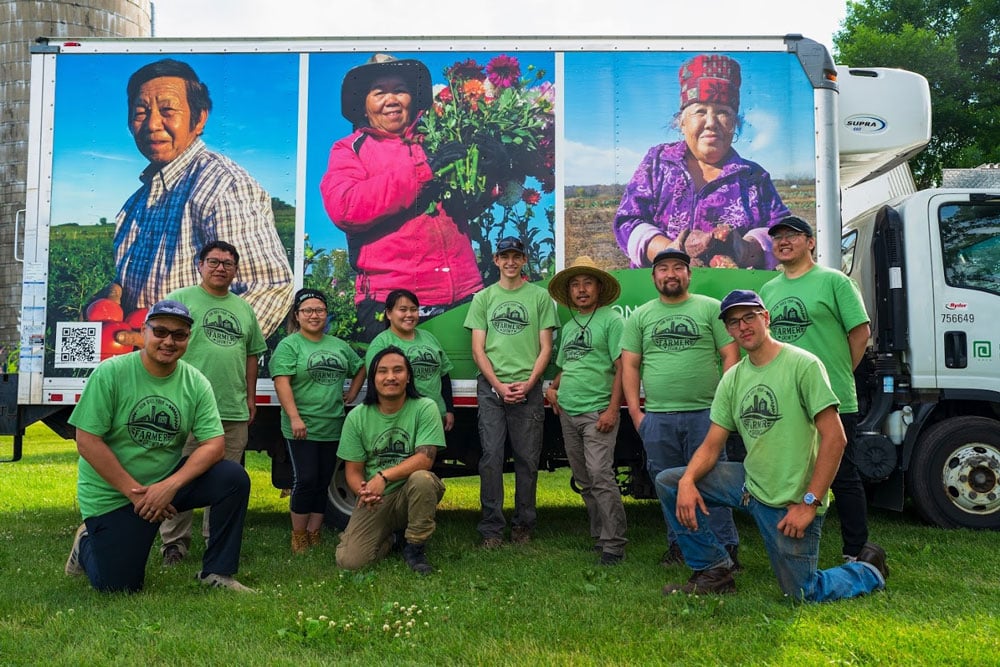
The Hmong American Farmers Association (HAFA) was created with a clear purpose: to advance the economic, social, and cultural prosperity of Hmong American farmers through cooperation, capacity building, and advocacy. Formed by farming families who understood both the history and the future of their community, HAFA is built on the belief that those directly affected by inequities in the food system must lead the work to change it. It remains the only Minnesota organization founded by and led entirely by Hmong American farmers, supported by bilingual and bicultural staff with decades of combined agricultural experience.
Hmong Farmers’ Role in Minnesota’s Local Food Economy
Hmong farmers have long played a central role in Minnesota’s local food economy. Since resettlement in the 1970s, Hmong families revitalized farmers’ markets across the Twin Cities, expanding access to fresh produce and introducing new crops that reshaped local tastes. Today, Hmong farmers make up more than half of the growers in metropolitan farmers markets, contributing significantly to a regional local food sector valued at hundreds of millions of dollars. Yet despite their influence, many farmers continue to face barriers to land access, financing, training, markets, and long‑term business stability. HAFA was created to address these challenges directly.
HAFA’s Whole Food Model: A Systemwide Approach
At the heart of HAFA’s approach is a model grounded in strong communitarian values. Their Whole Food Model recognizes that the farm‑to‑fork system must be addressed as an interconnected whole. To build intergenerational community wealth, HAFA focuses on five linked components: land access, new markets, training and capacity building, financing, and research. Through this approach, HAFA supports farmers as they expand their operations, adopt new business practices, build stability, and take leadership roles in shaping local food systems.
Land Access and the HAFA Farm
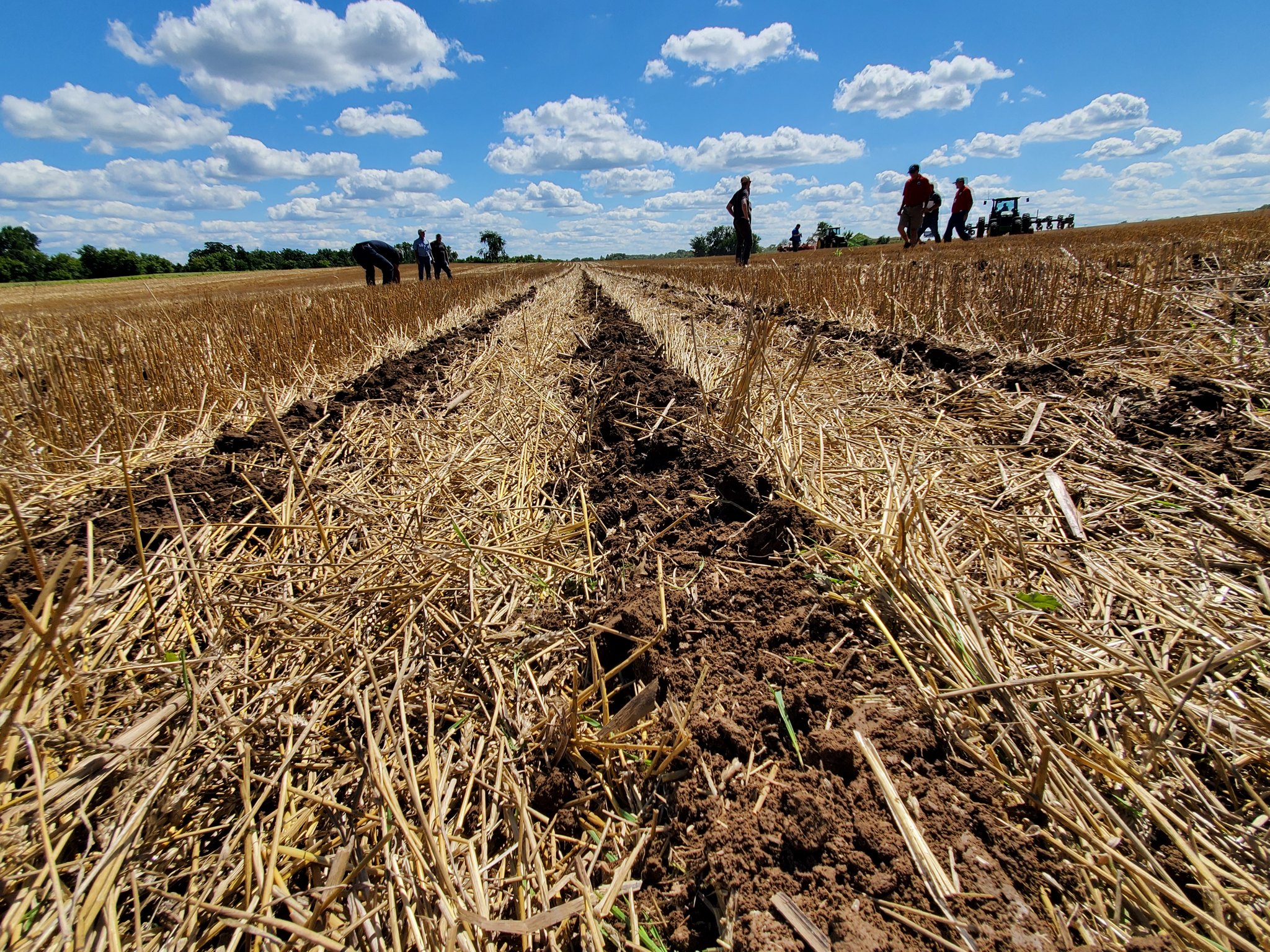
Land access remains the most significant barrier for many Hmong farmers. In response, HAFA owns and operates a 155‑acre farm in Dakota County, which serves as a hub for land leasing, skill‑building, and business development. This farm functions as an incubator where families can refine crop planning, improve soil health, test new production methods, and strengthen their enterprises. It also serves as the base for the HAFA Food Hub, which aggregates members’ produce and connects them with community‑supported agriculture (CSA) customers, schools, institutions, and retailers. Through the Food Hub and alternative markets program, farmers diversify sales beyond traditional farmers’ markets and reduce financial risk.

Building Skills, Leadership, and Community
HAFA’s work is as much about people as it is about production. Their programs are designed to build skills and confidence—whether through workshops, technical assistance, or peer‑to‑peer learning rooted in cultural understanding. By working with cohorts of experienced farmers, HAFA fosters shared leadership and collective strategy. This organizing approach strengthens community bonds while generating system‑level change within the region’s food economy.
A Culture of Stewardship and Long‑Term Prosperity
Underlying everything HAFA does is an ethic of stewardship. Farming is viewed not only as a source of livelihood, but also as a cultural inheritance tied to family, land, and collective responsibility. HAFA’s model supports farmers in building long‑term stability while advancing a fairer and more sustainable regional food system. Their work illustrates how culturally grounded leadership, community collaboration, and strategic land access can drive meaningful change—ensuring that Hmong farmers continue to thrive, contribute to the region’s food landscape, and pass on agricultural knowledge to future generations.

Want to be in this directory?
Fill out and submit this form to our coordinator, who will review it and contact you to confirm details. We look forward to hearing from you!