
Funded Project
2011 | Boone River Watershed
FY11 | A River Once Fragmented – Restoring Life to the Watershed
Location: Wright & Hamilton Counties, Iowa
Partners: Iowa DNR, The Nature Conservancy, Iowa Soybean Association, U.S. Fish & Wildlife Service
Oxbow Restoration & Culvert Modifications
In the heart of Iowa’s agricultural landscape, the Boone River once flowed freely; its oxbows—those graceful, looping bends—providing vital habitat for fish and wildlife. But decades of land use changes, including row crop farming and drainage modifications, left many of these oxbows cut off, degraded, or filled in. This project set out to change that.
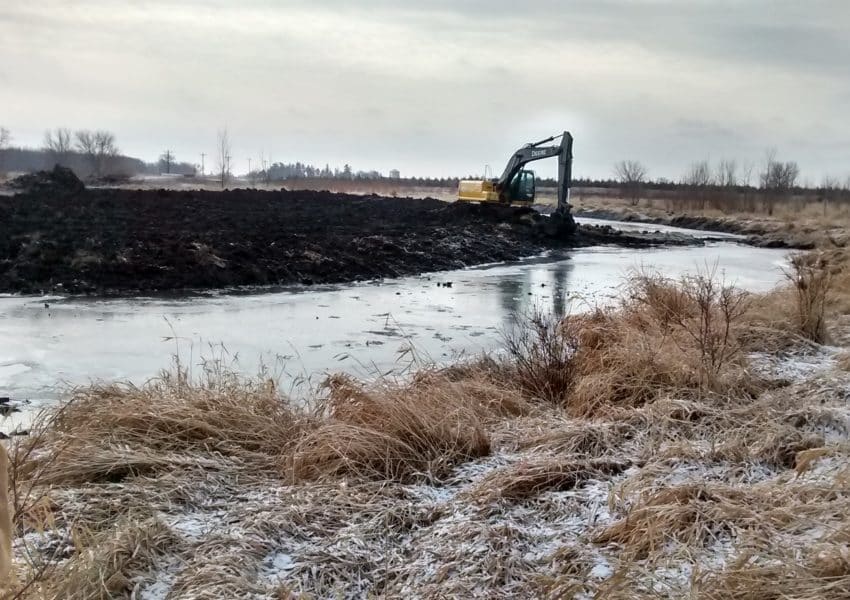
On land in Wright County, a forgotten oxbow was brought back to life. Once a shallow depression, it was restored to a vibrant 0.7-acre wetland, 10 feet wide and 4 feet deep. Completed in November 2013, this oxbow now serves as a refuge for aquatic species and a natural filter for nutrients and sediment.
Restoration Highlights:
- Water Quality Monitoring: 44 samples analyzed
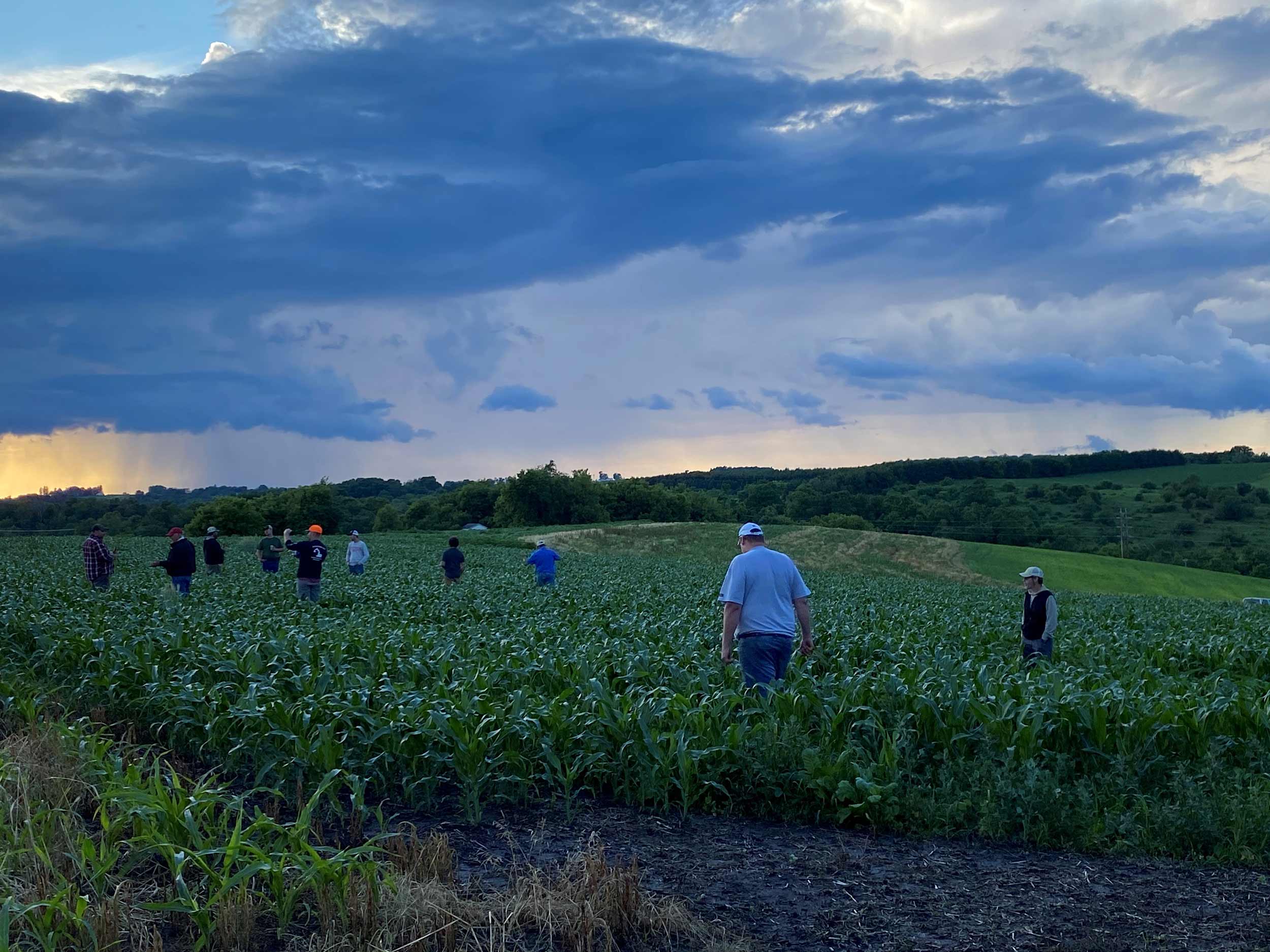
- Community Engagement: Field days, tours, and presentations
Further upstream, two culverts were modified to improve fish passage and stream connectivity. These small but strategic changes help reconnect fragmented habitats, allowing species like the Topeka shiner to thrive.
Collaboration & Outcomes
This project was a true partnership:
- The Nature Conservancy assessed oxbow quality and led landowner outreach.
- Iowa DNR provided technical oversight, permitting, and fish surveys.
- The Iowa Soybean Association contributed to monitoring and farmer engagement.
- U.S. Fish & Wildlife Service provided $10,000 in funding through the National Fish Habitat Action Plan.
The restored habitats support a range of aquatic life, including:
- Topeka shiner (Notropis topeka) – a federally threatened species
- Smallmouth & Largemouth bass
- Channel catfish
- Darters and dace
The Boone River Watershed is 91% row crop agriculture. Restoring oxbows and improving stream connectivity helps:
- Trap nutrients before they reach larger rivers
- Reduce sedimentation
- Provide critical fish habitat
- Educate and engage local farmers in sustainable practices
“Before restoration, the oxbow was just a dry scar on the land. Now, it’s teeming with life.”
— Eileen Bader, The Nature Conservancy