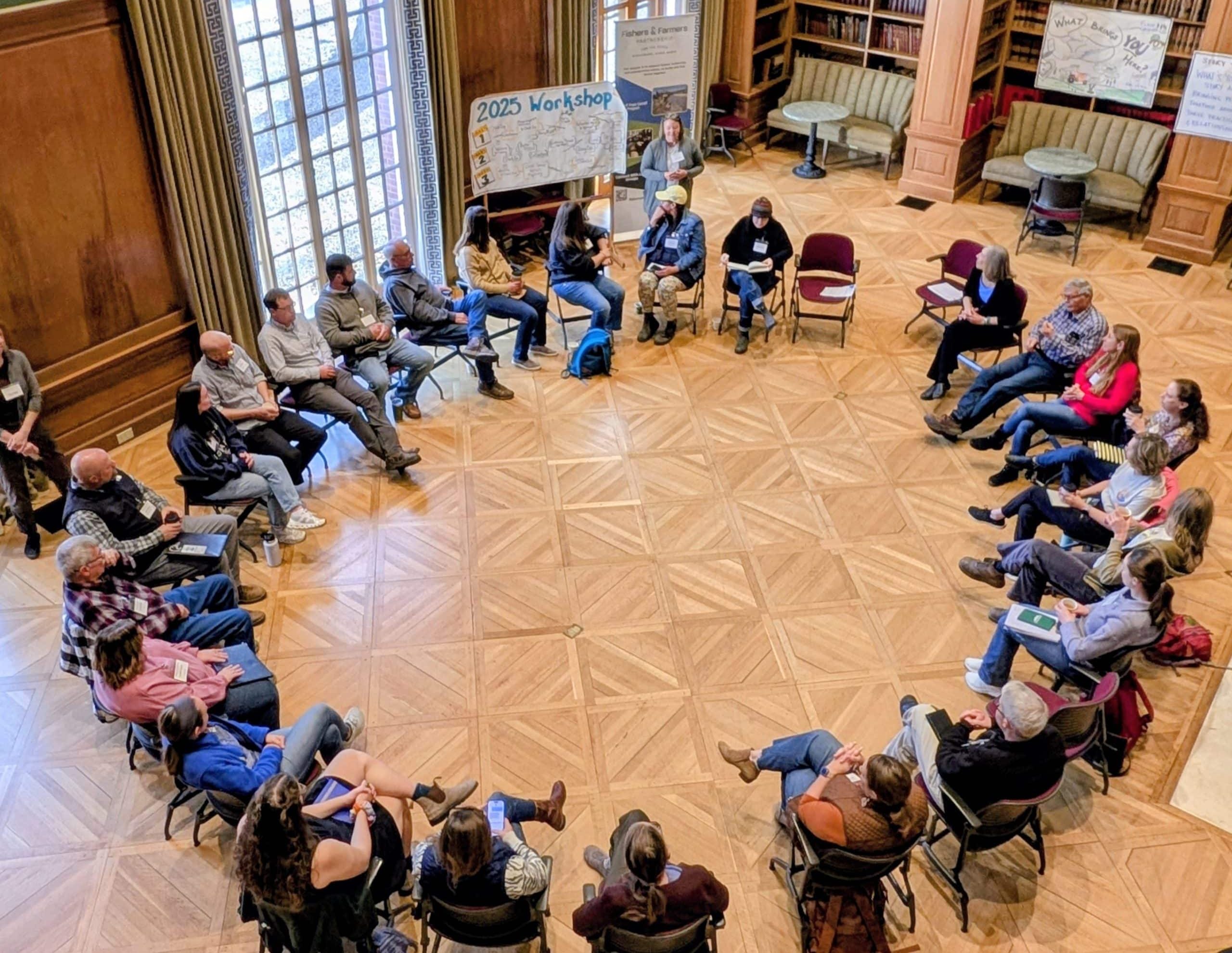
2025 Workshop in Monticello, IL with American Farmland Trust
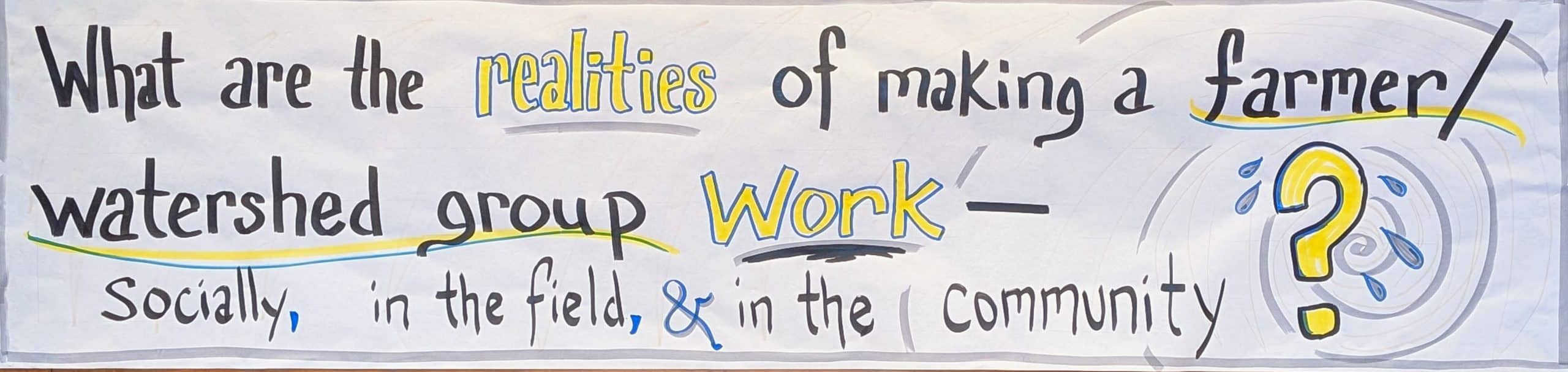
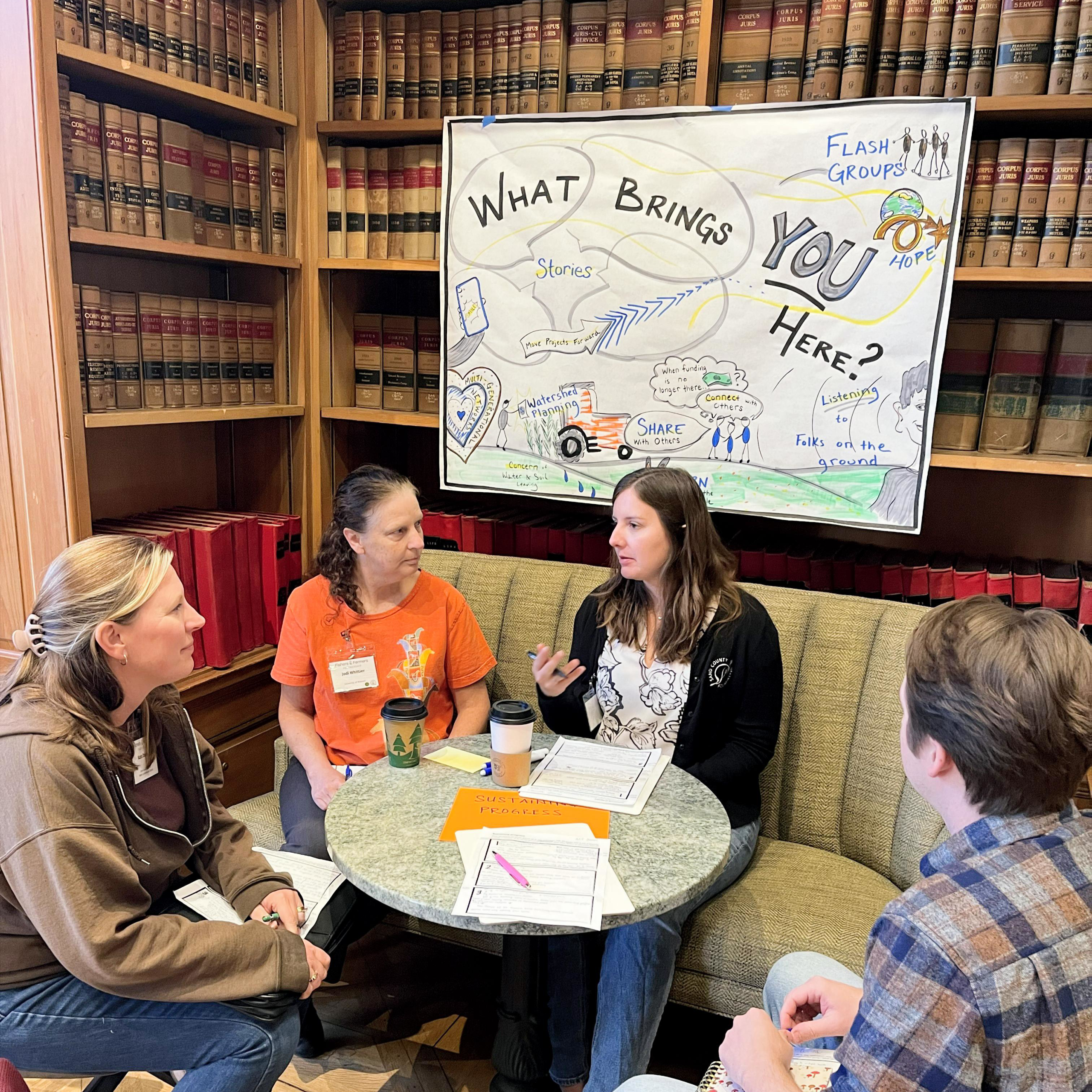
Conversations centered around this question:
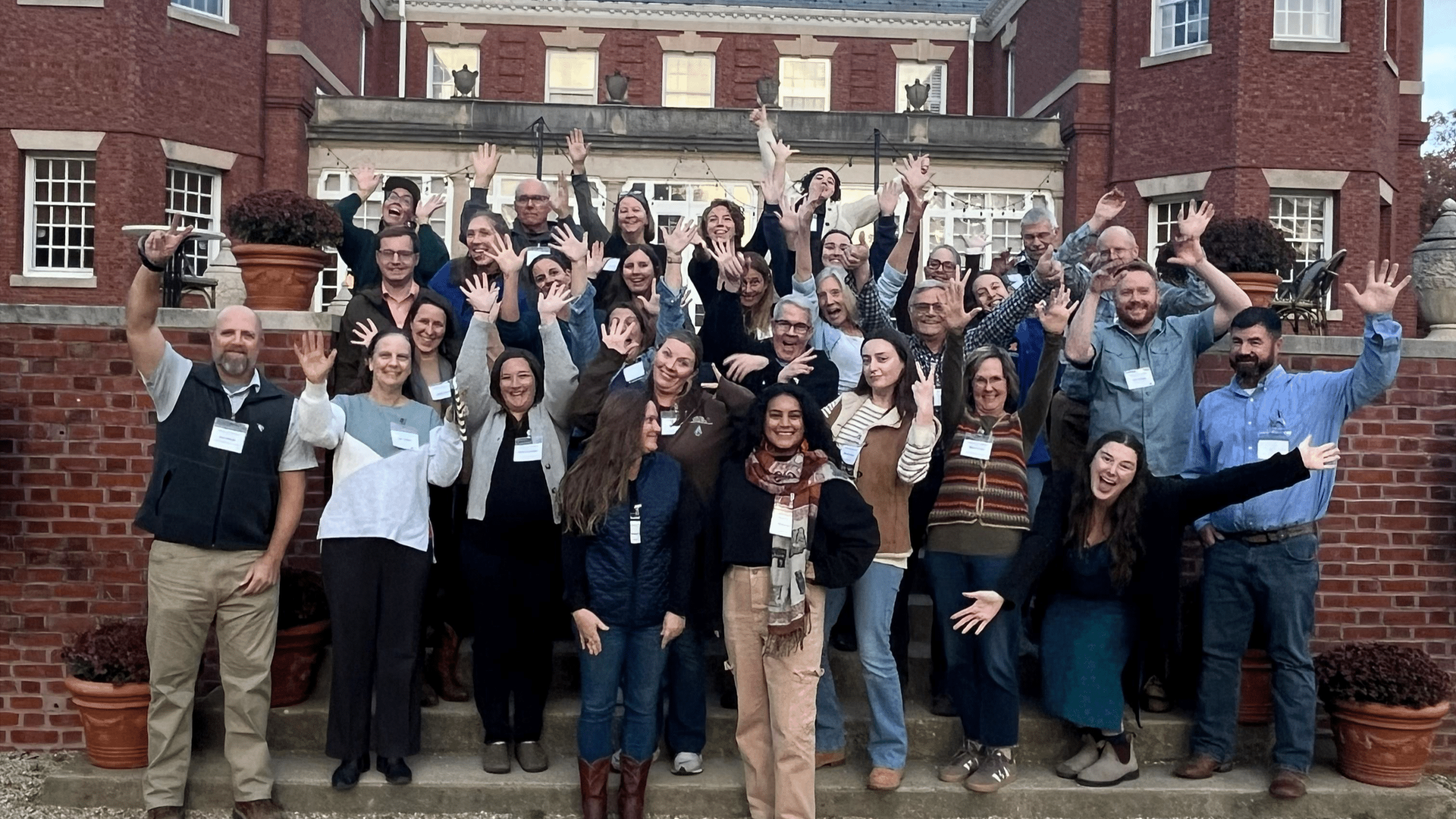
WHY THESE GATHERINGS MATTER | Joining a workshop like this offers more than just information—it creates a space where diverse voices come together to shape a shared vision. Participants gain the chance to learn from one another, exchange ideas, and see challenges from new perspectives. Those who attended in Monticello described the experience as deeply rewarding, leaving with a sense of fulfillment and a wealth of ideas that go far beyond individual thinking.
Day 1 Highlights: Exploring Agroforestry and Building Connections
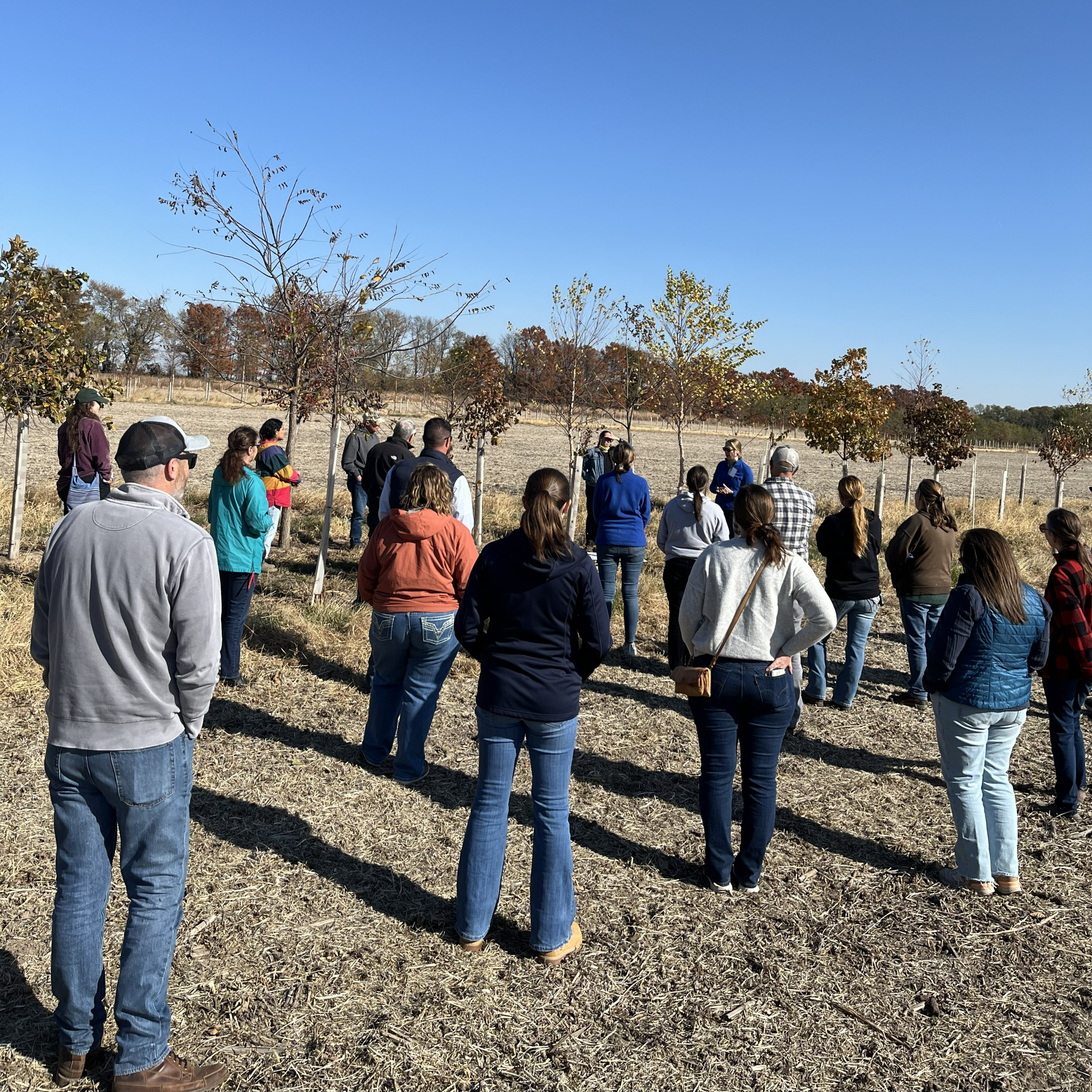
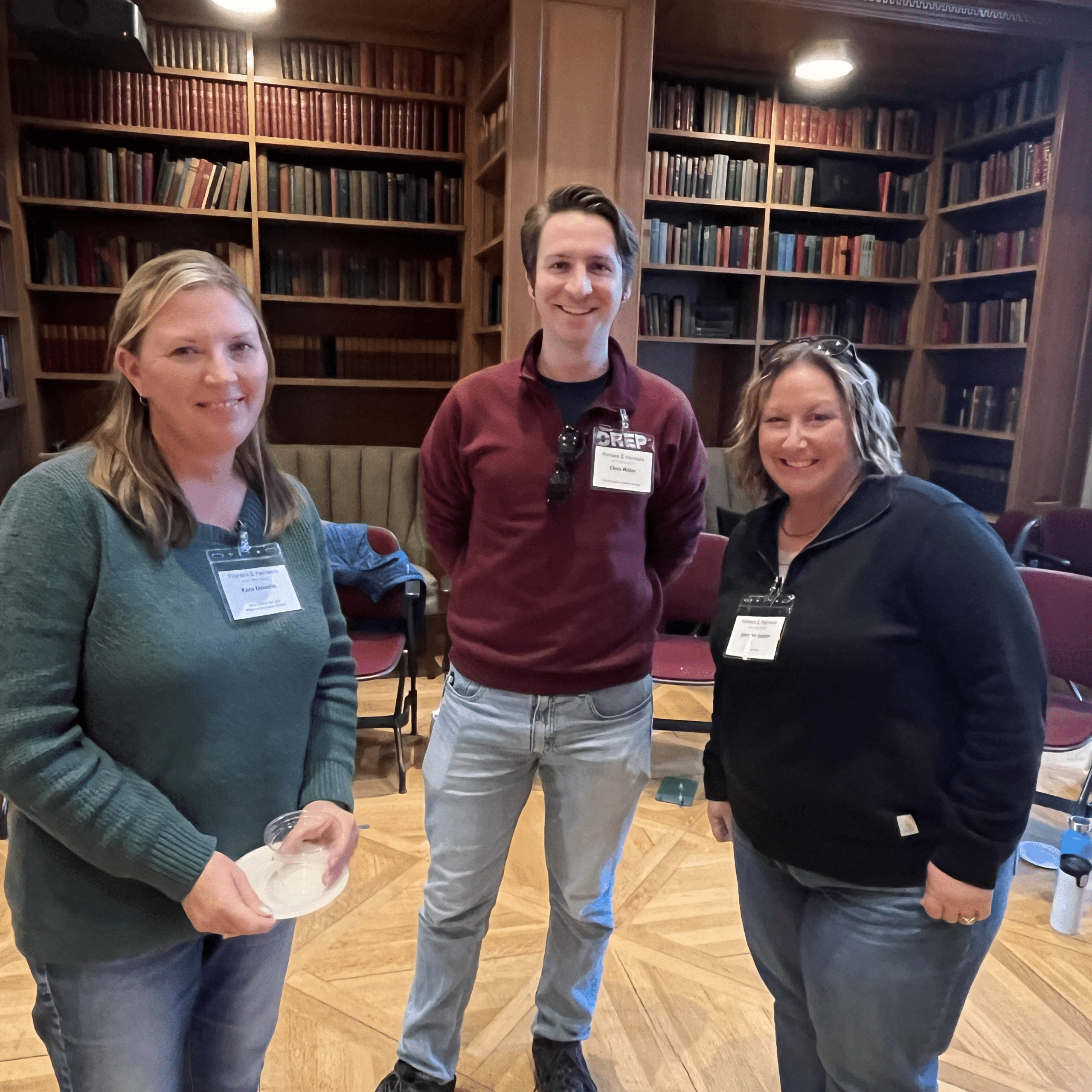
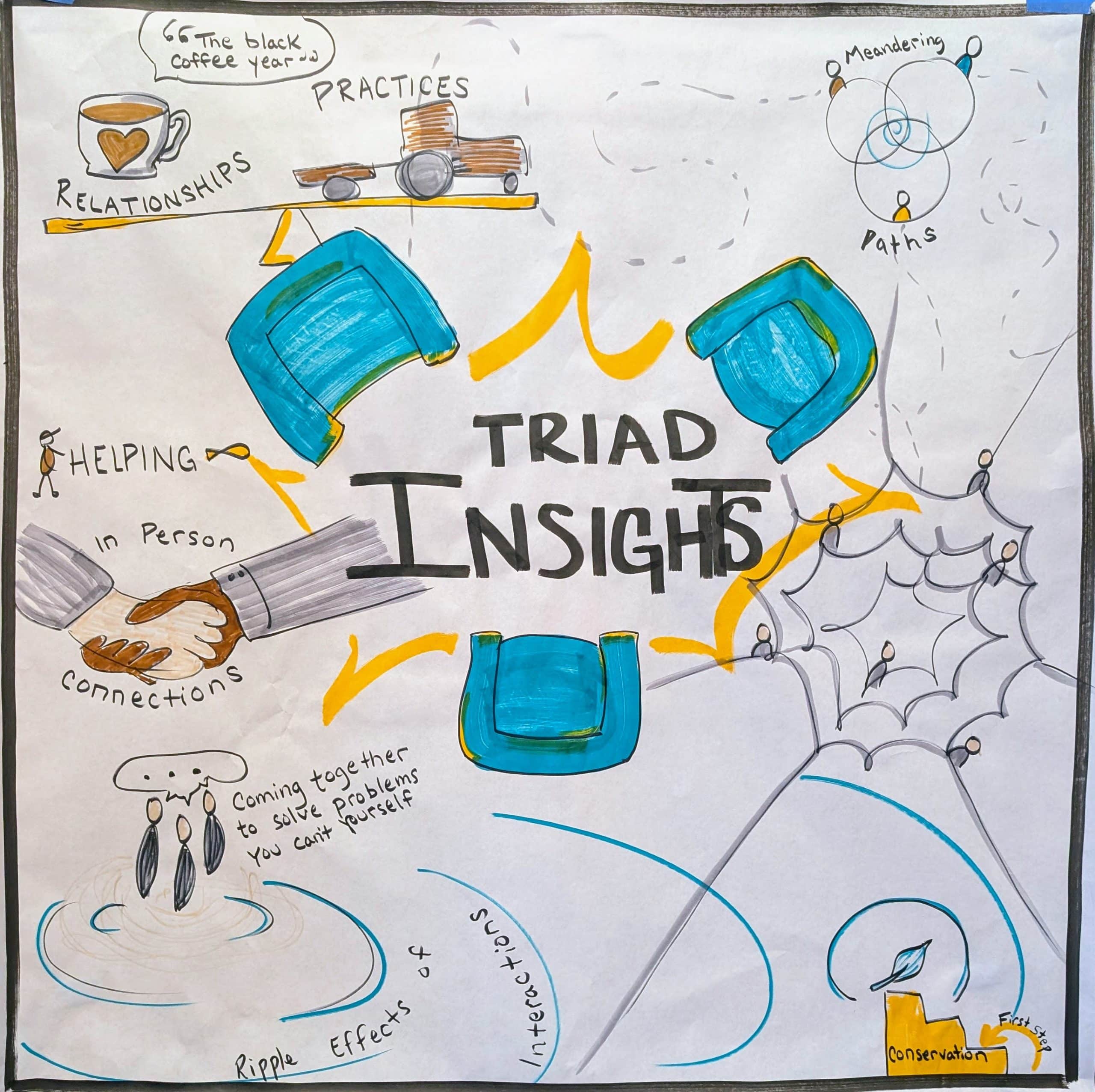
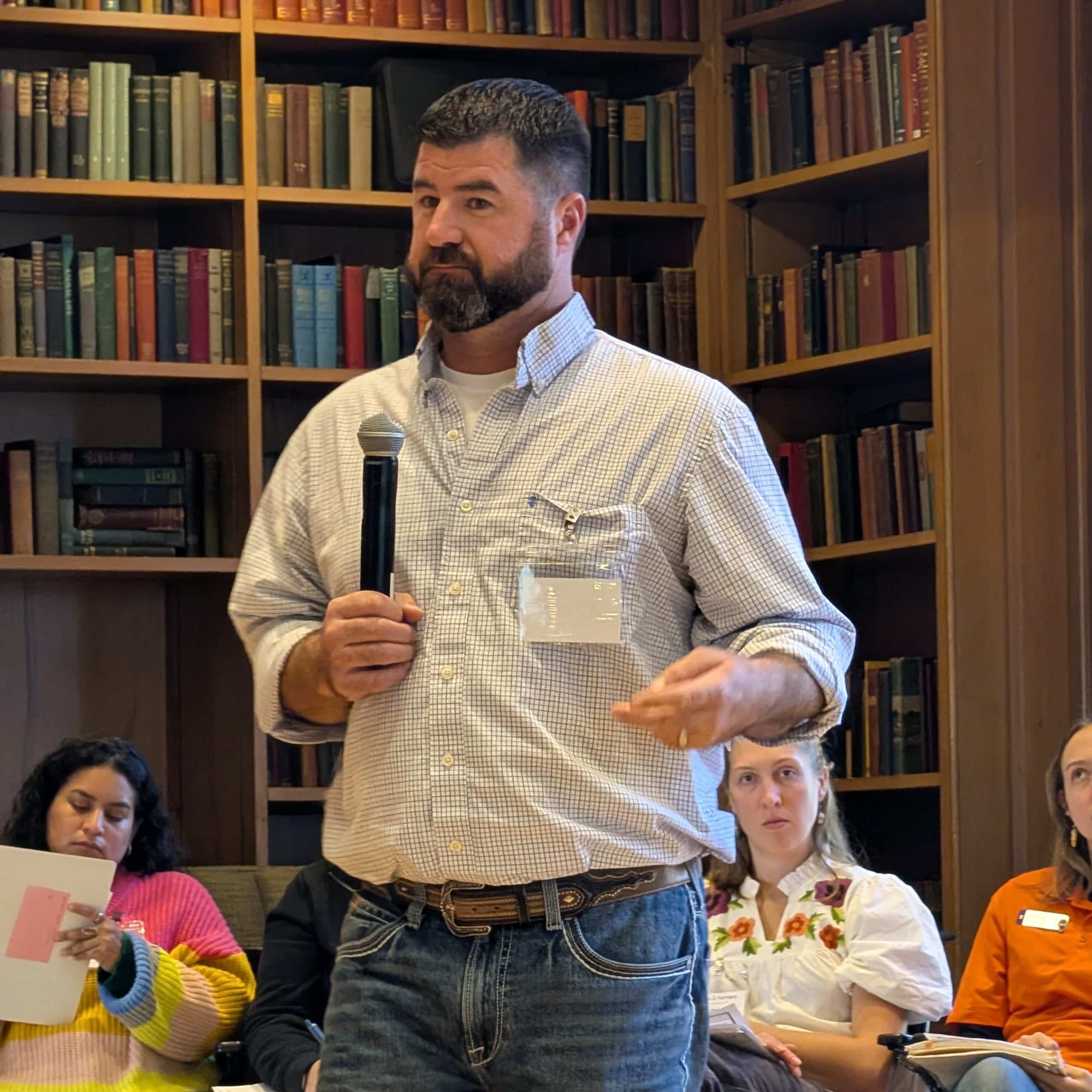
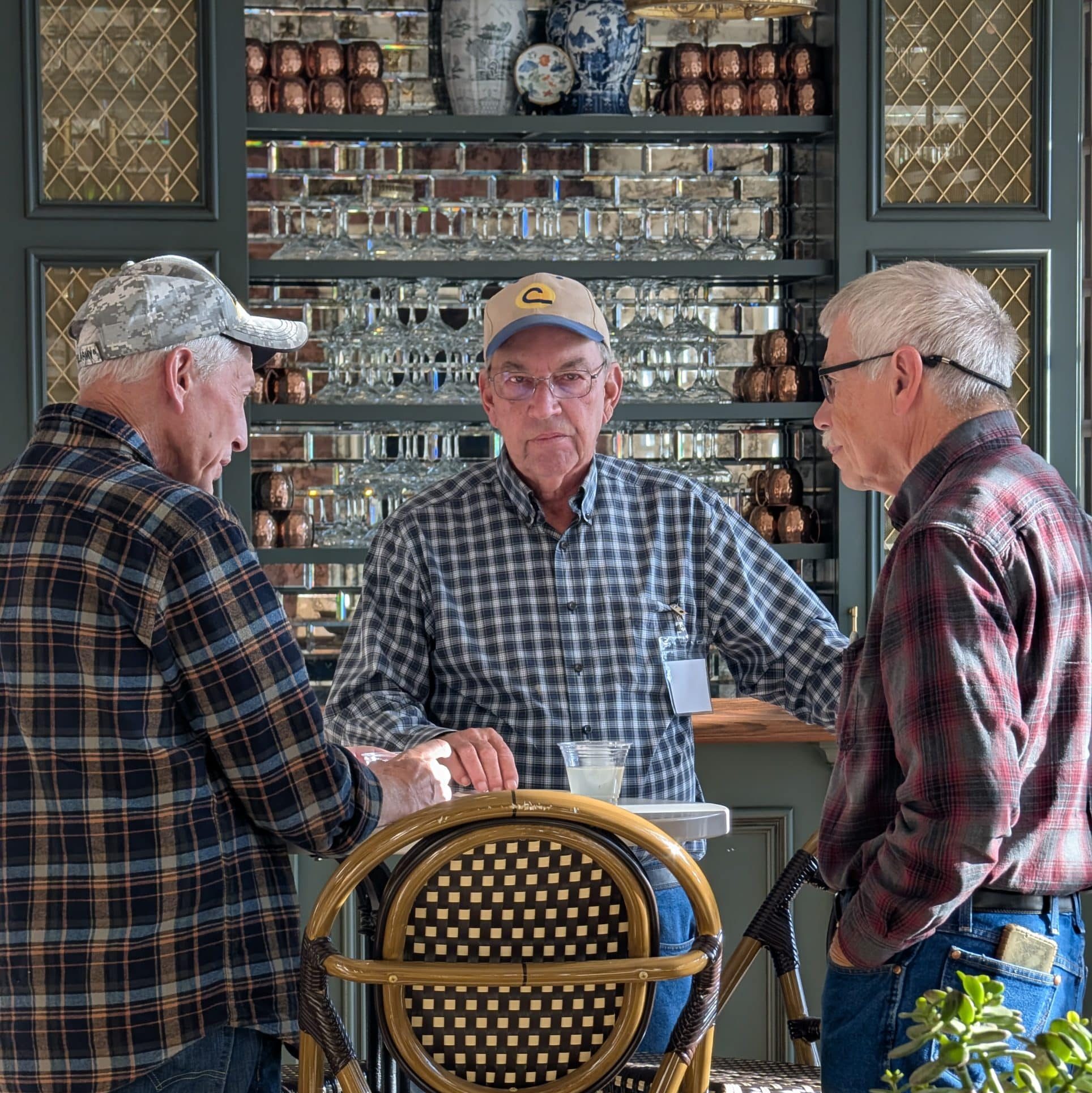
The first day of the workshop began with an inspiring agroforestry farm tour hosted by the Savanna Institute, where participants experienced firsthand the principles of alley cropping and learned about the design, research, and maintenance behind these innovative conservation practices.
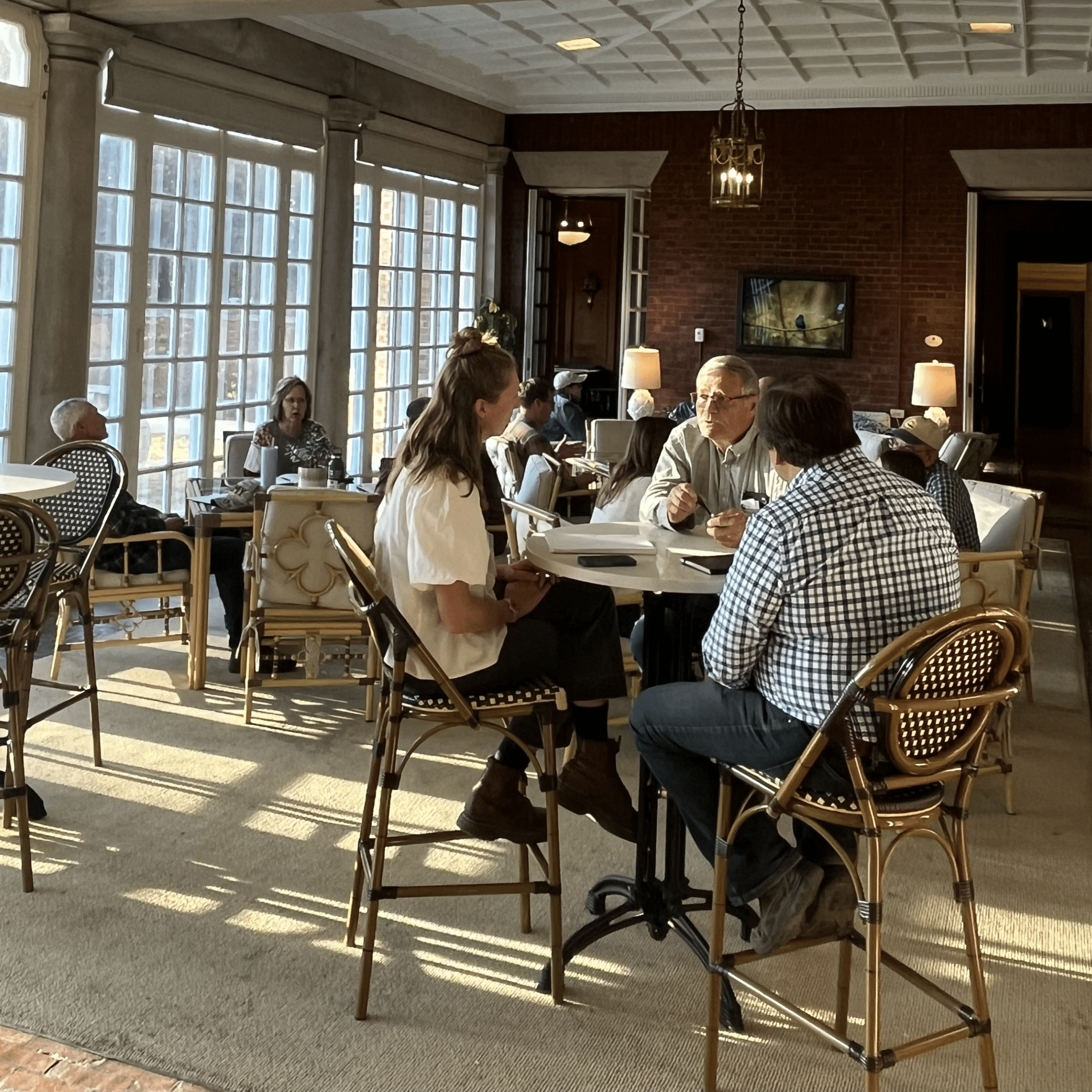
After the tour, we returned to Allerton for an afternoon of listening and storytelling—creating space to share experiences, deepen connections, and reflect on how stepping outside our comfort zones and embracing collaboration can lead to more resilient, impactful work.
Three farmers shared powerful stories about fostering a culture of friendship, innovation, and shared effort among neighboring landowners. Participants were encouraged to listen closely for themes such as creativity, leadership, overcoming challenges, and sustaining progress.
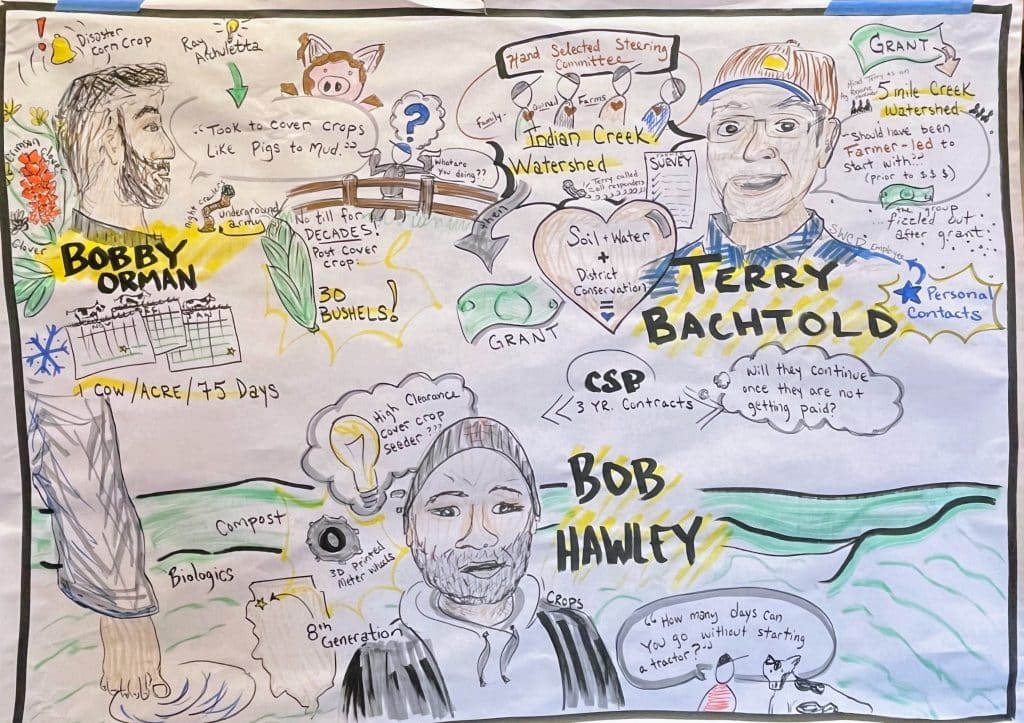
Small group discussions followed, inviting everyone to answer the question: “What’s your story about bringing people together around these practices and relationships?”
The day concluded with time to explore Allerton’s beautiful grounds, followed by dinner and drinks where conversations flowed and new relationships began to blossom. Later, intimate fireside chats offered deeper dives into topics like building markets and value chains for regenerative products, strategies for planning effective meetings, and the critical connection between land health and aquatic species—along with how state agencies are partnering with local landowners to protect these habitats.
Day 2 Highlights: Deepening Conversations and Preparing for Action
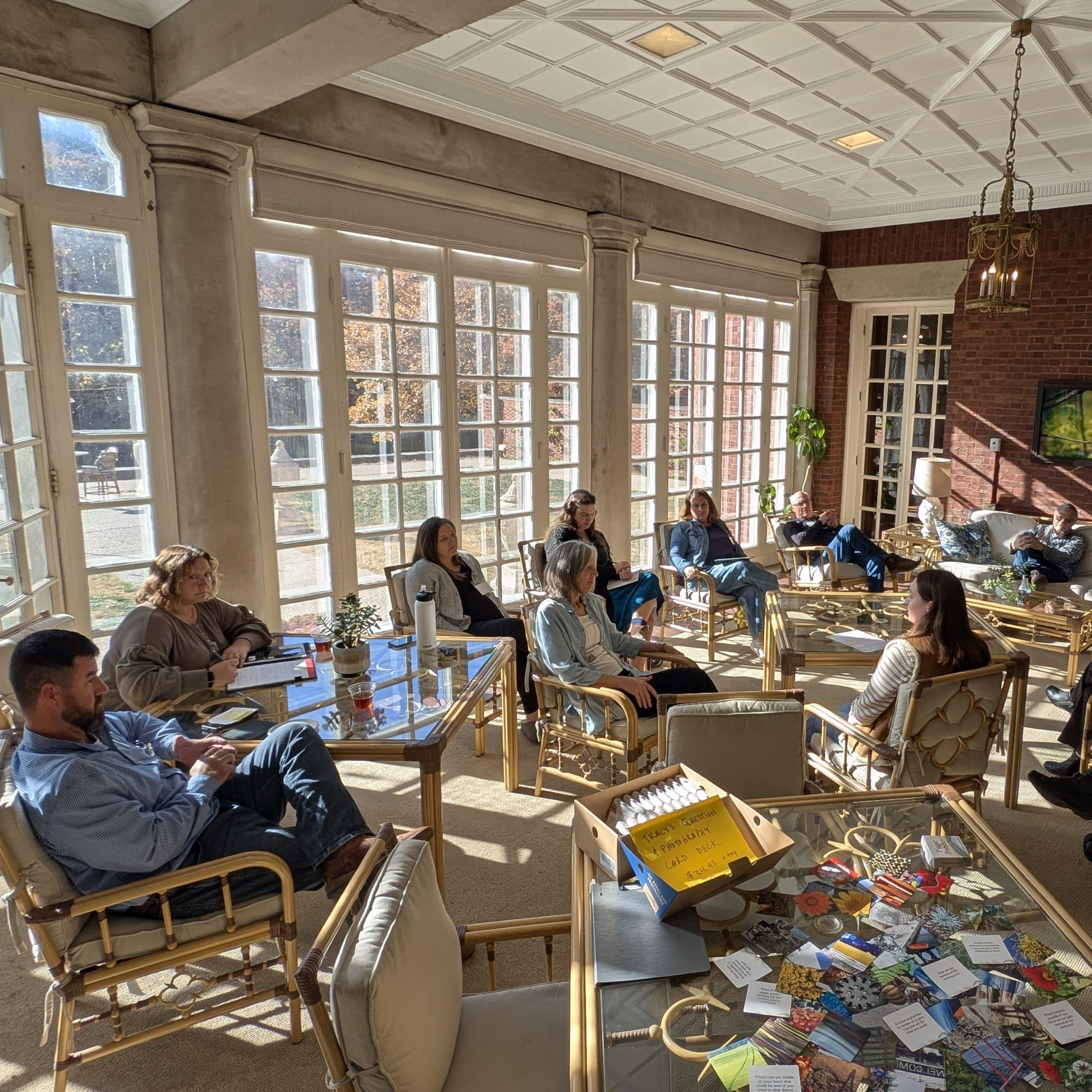
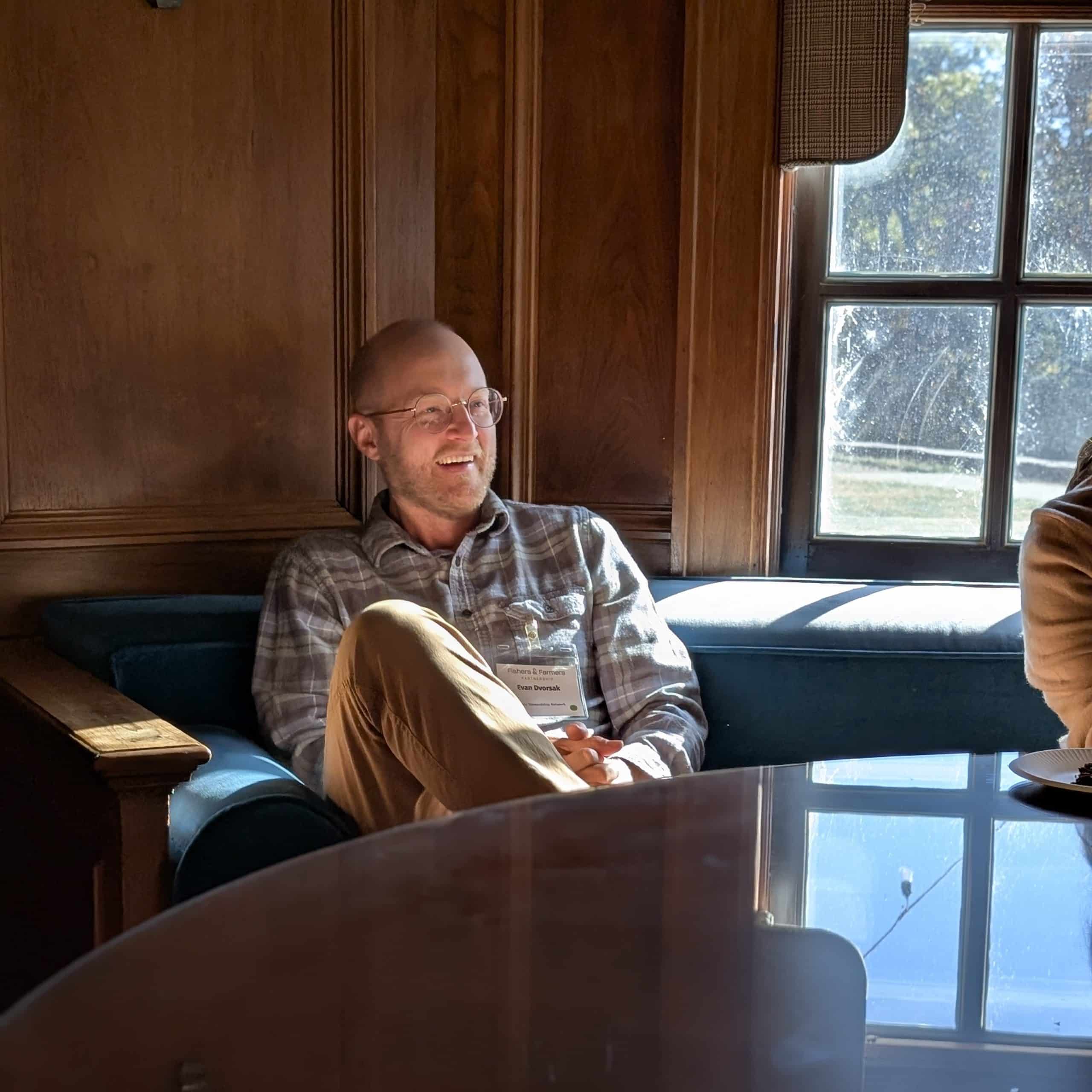
We began the day by “feeding forward” from yesterday’s insights, asking participants: How do we stay with this shared work over time? What conversations and relationships sparked on Day One that can continue to grow today?
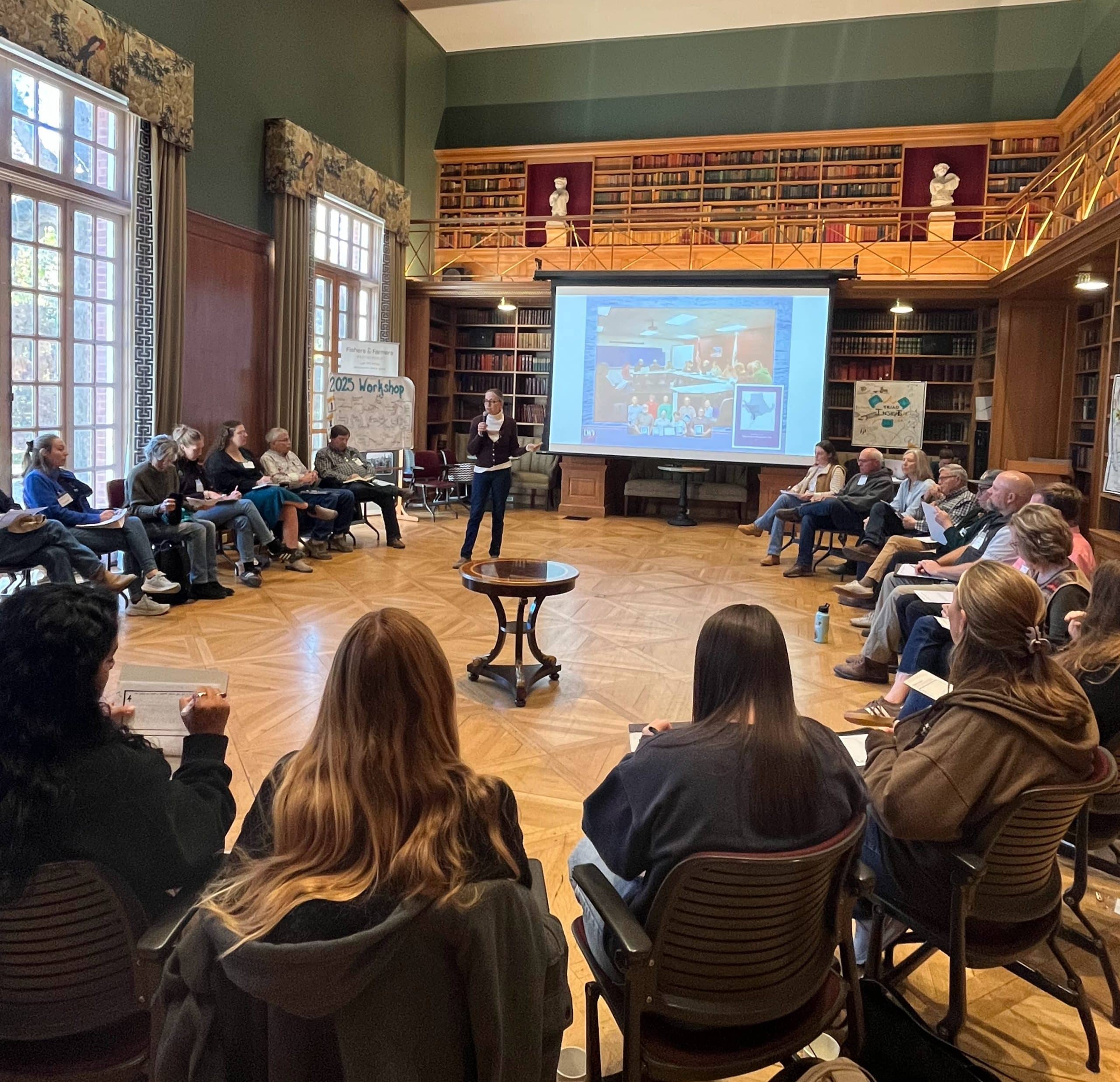
Beth Baranski, Secretary of the Jo Daviess Soil Health & Water Coalition, shared her experience building a strong local network, highlighting both the barriers and opportunities for participation.
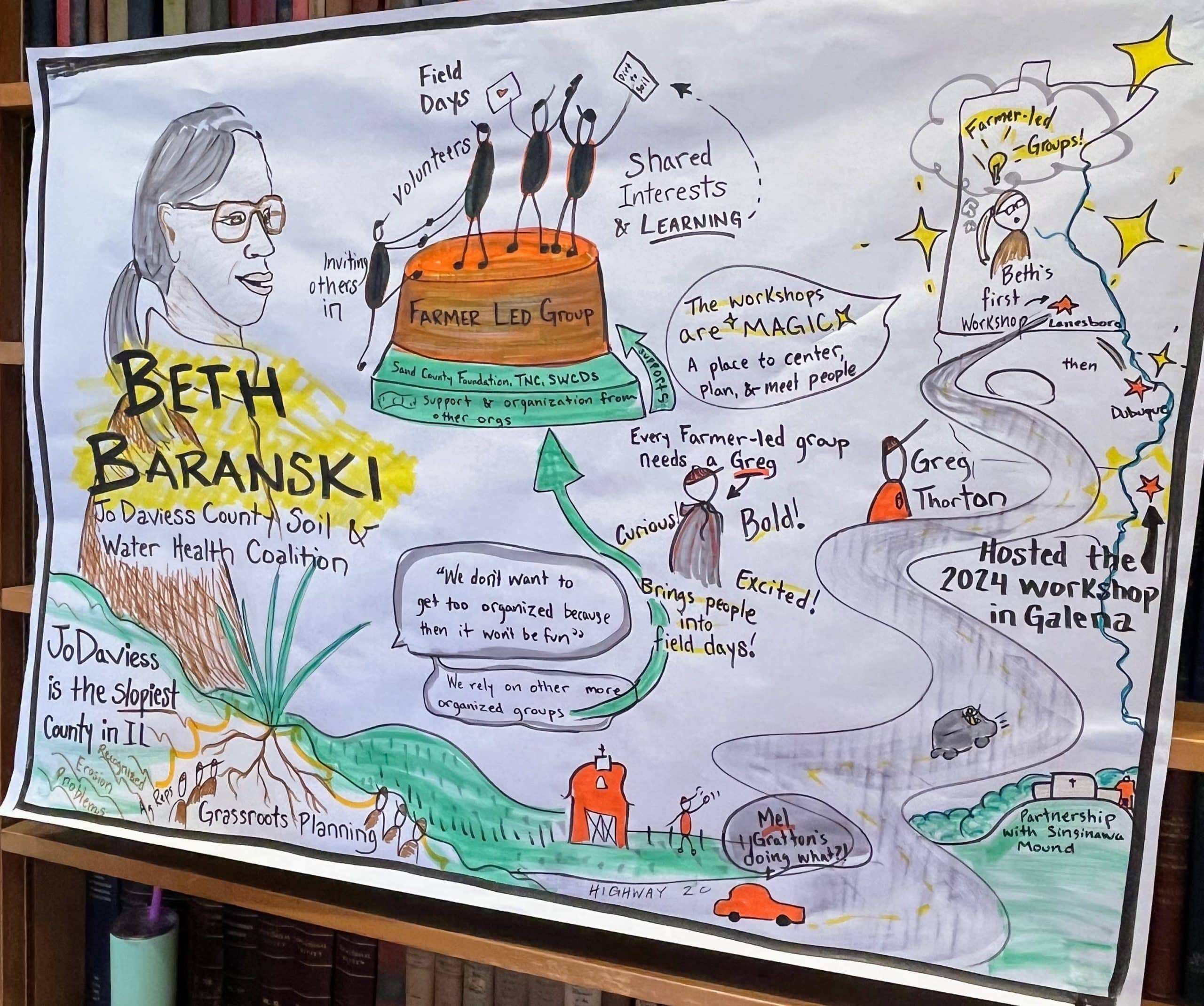
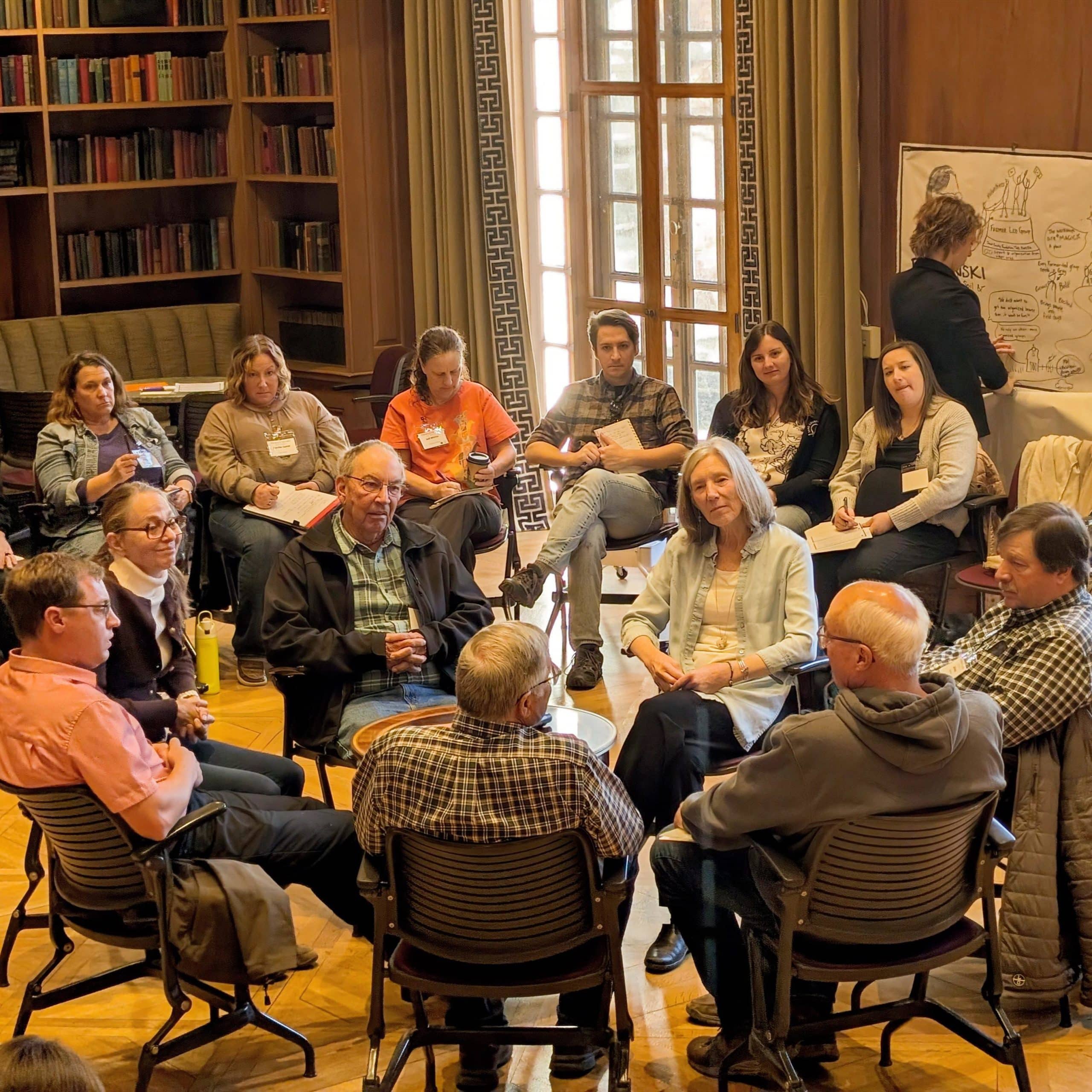
Following her talk, we invited farmers into an inner circle discussion while others listened in. This candid conversation explored what it takes to start a farmer-led watershed group and the kinds of support needed to make it happen.
Throughout the day, we encouraged participants to start thinking about real actions they could take home. What work feels meaningful enough to keep pursuing? These reflections set the stage for planning on Day Three.
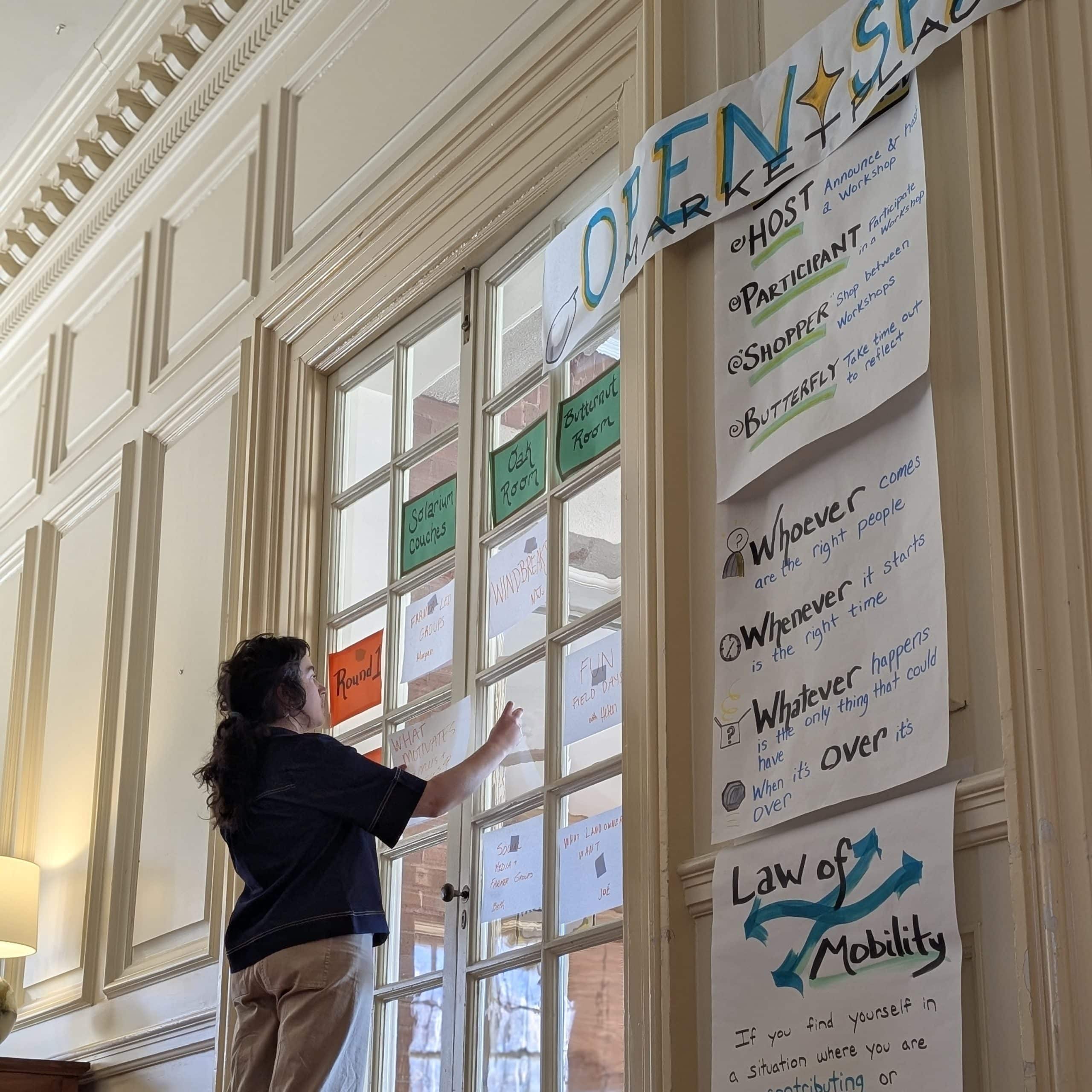
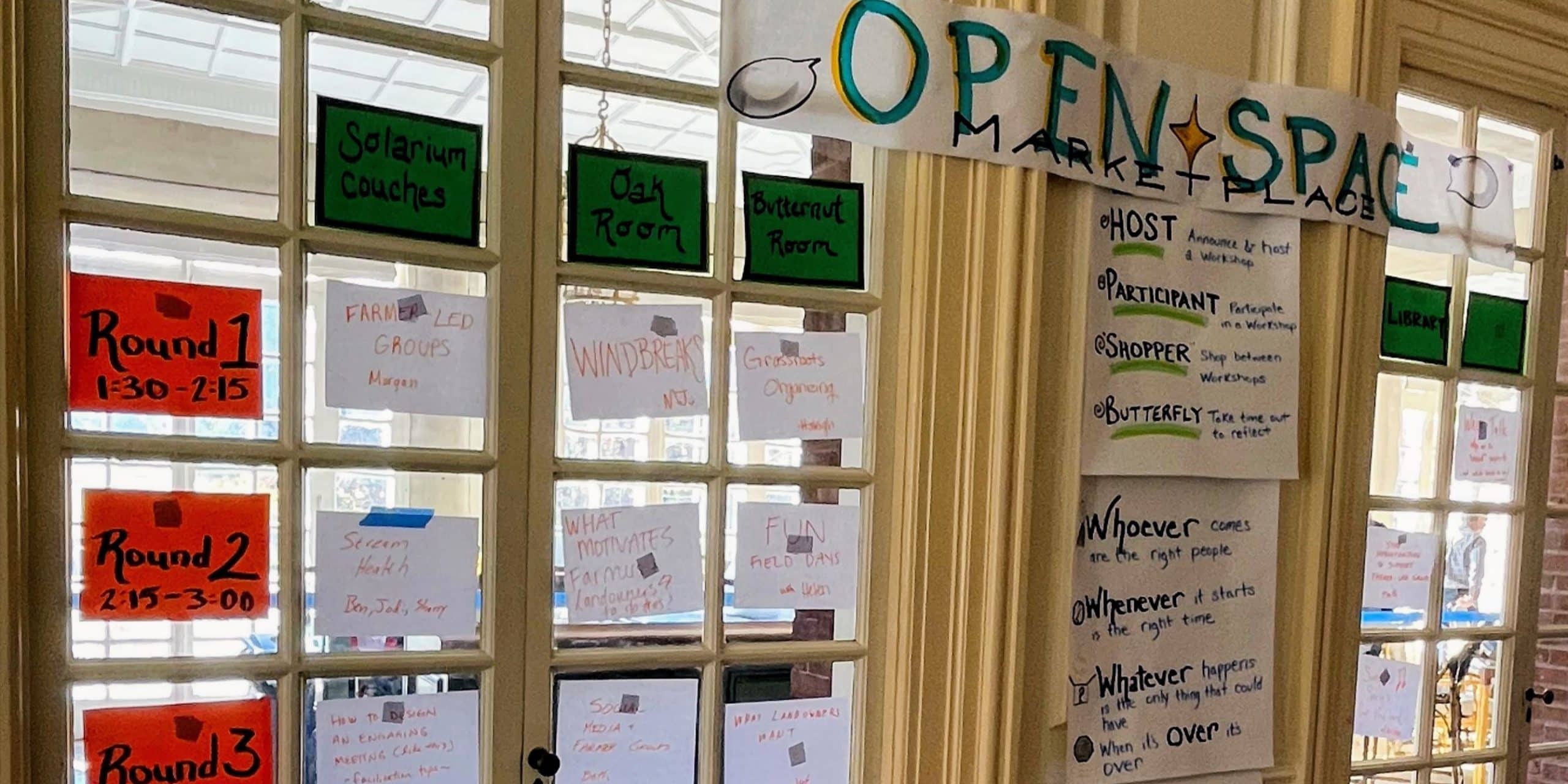
The bulk of the afternoon was dedicated to Open Space, where participants created their own agenda by posting topics they wanted to explore. Three rounds of dynamic, self-directed conversations brought together diverse perspectives, sparking fresh ideas and deep dialogue.
We closed the day with a casual social hour at 3Ravens Food & Spirits, offering time to relax, recharge, and continue building connections before the final day of the workshop.
Day 3 Highlights: Turning Ideas into Action
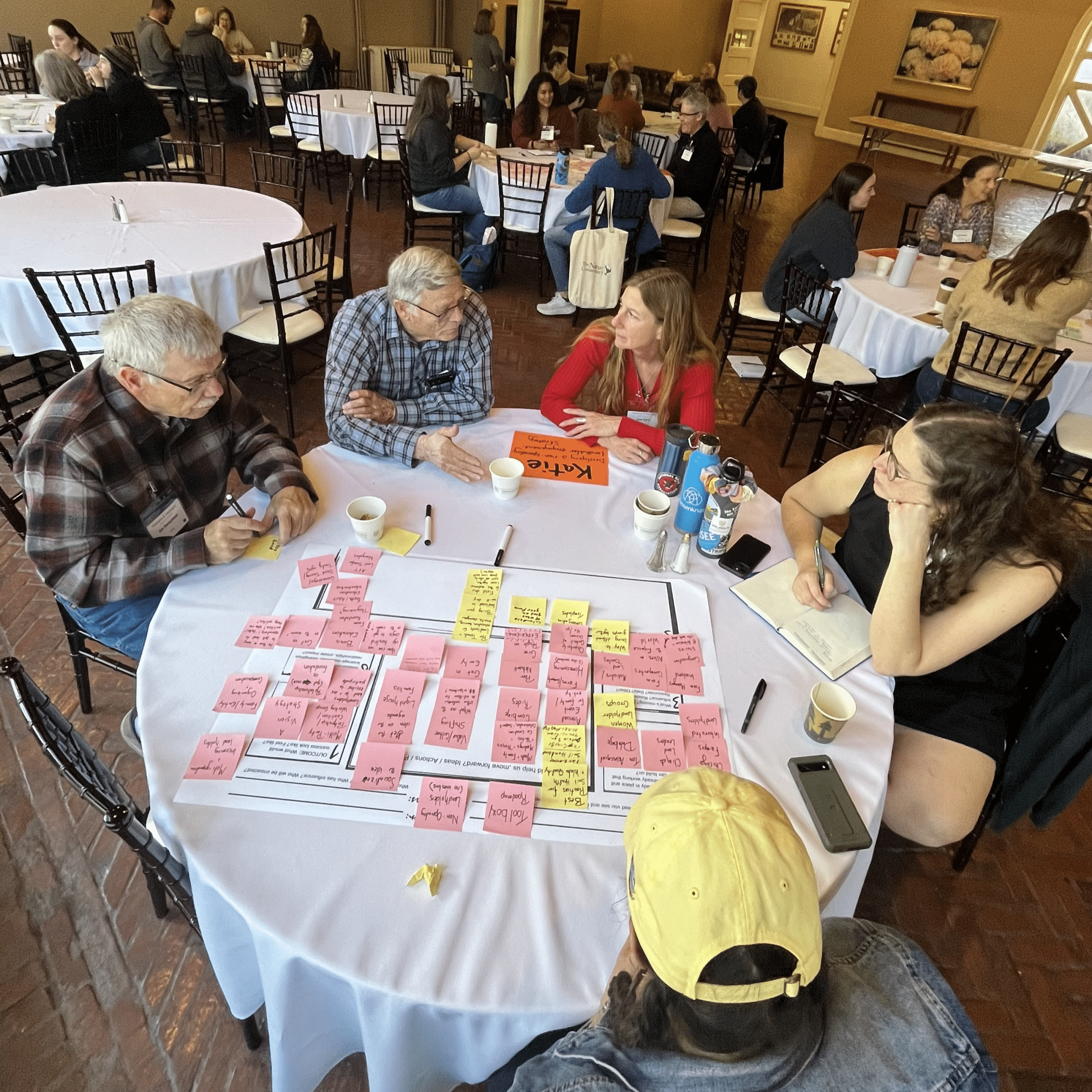
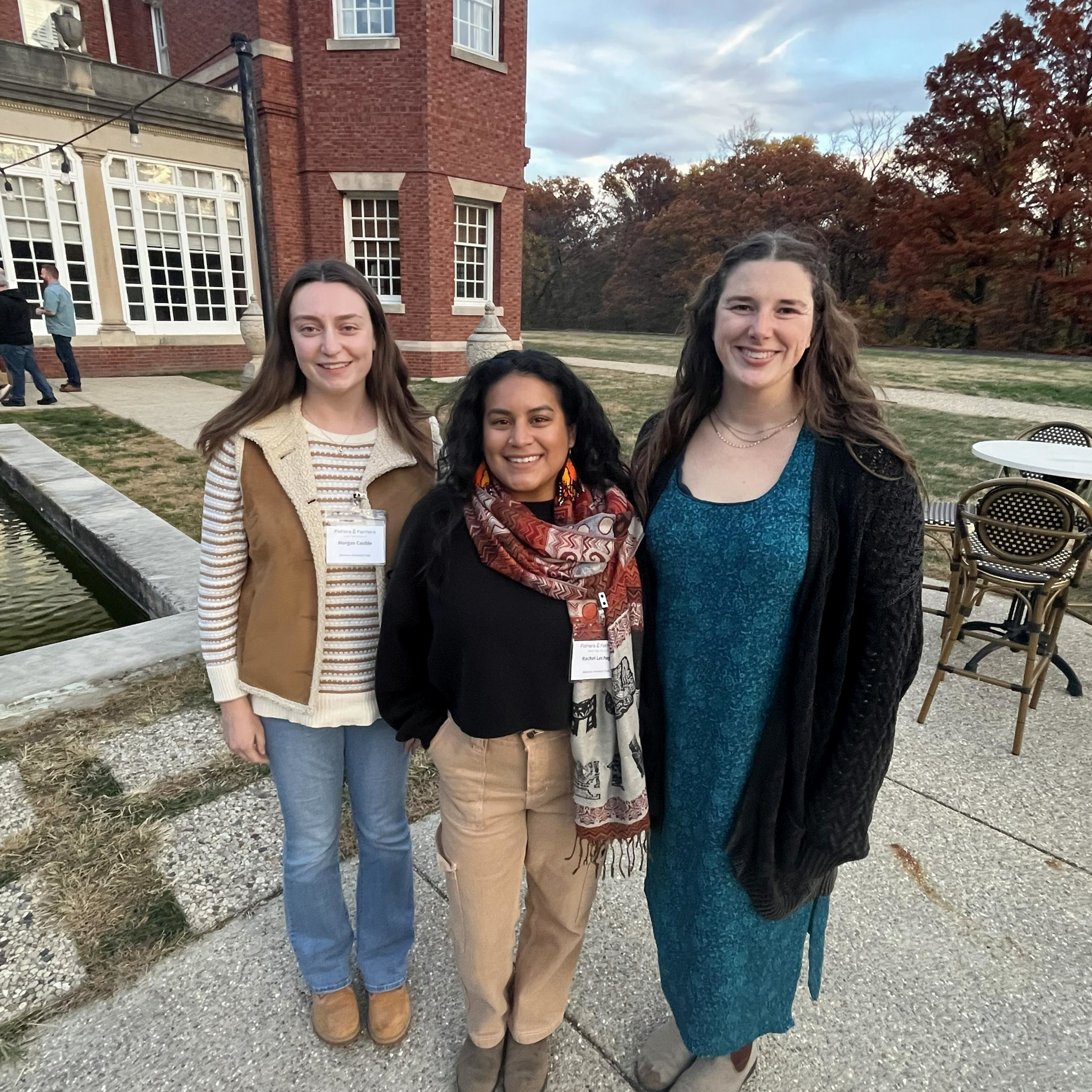
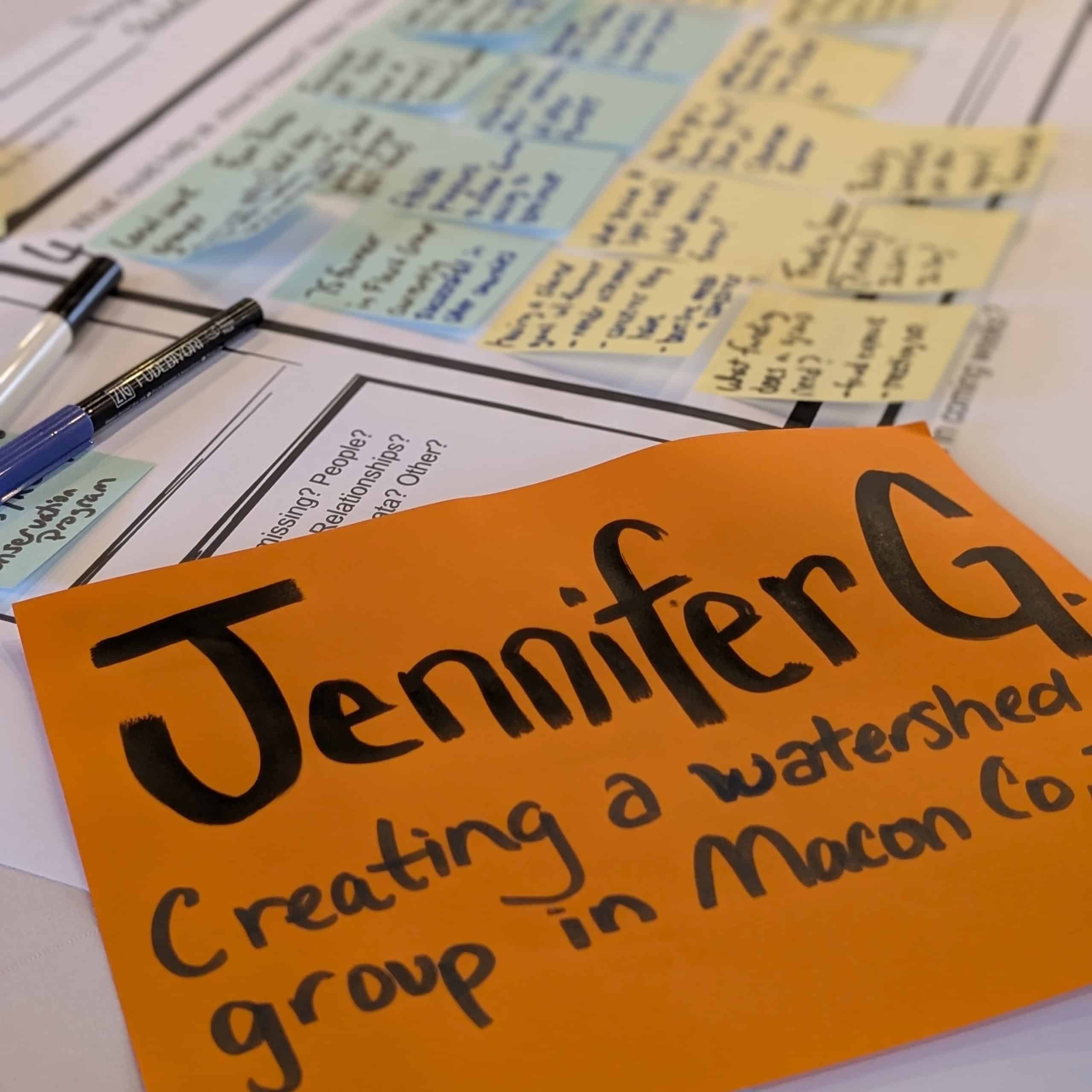
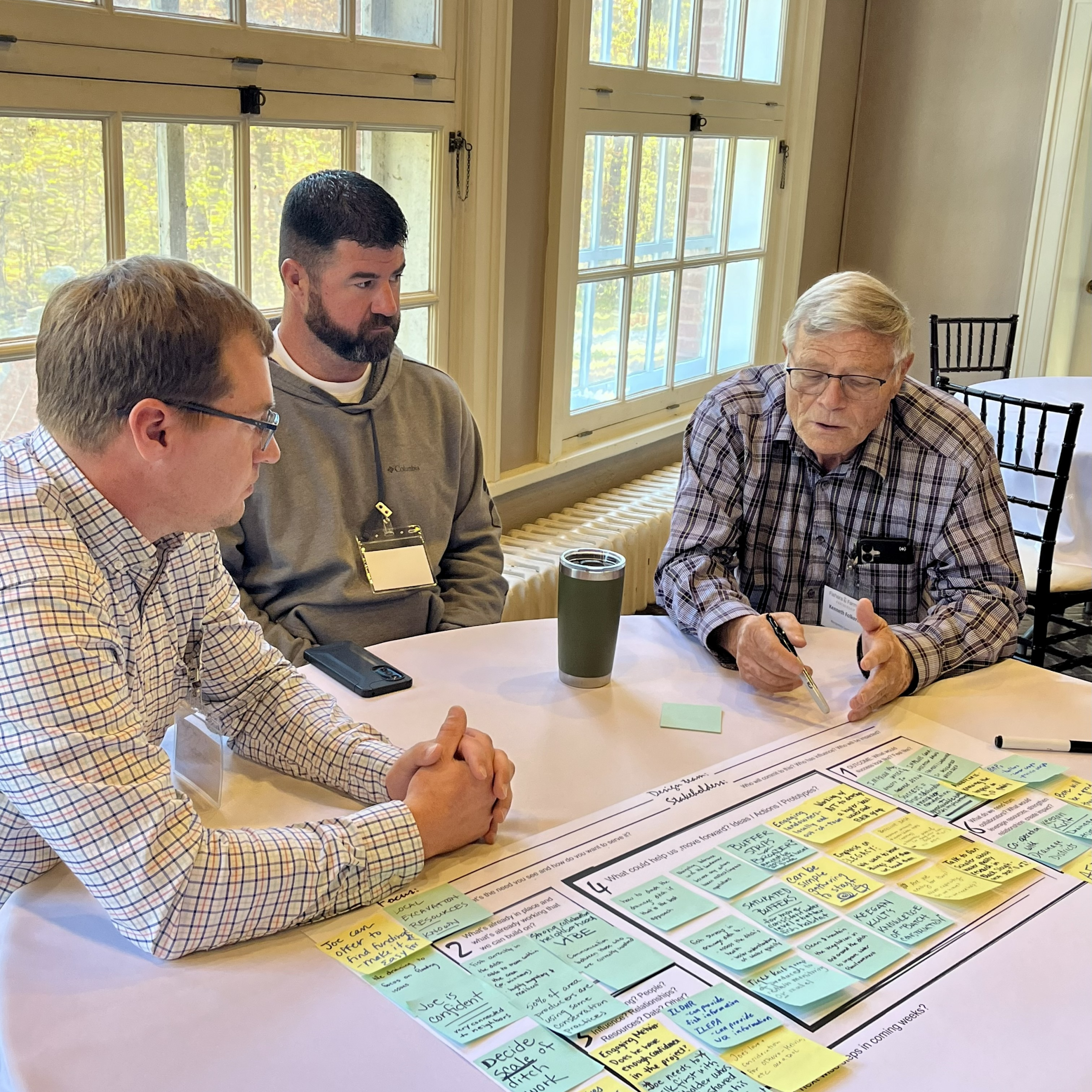
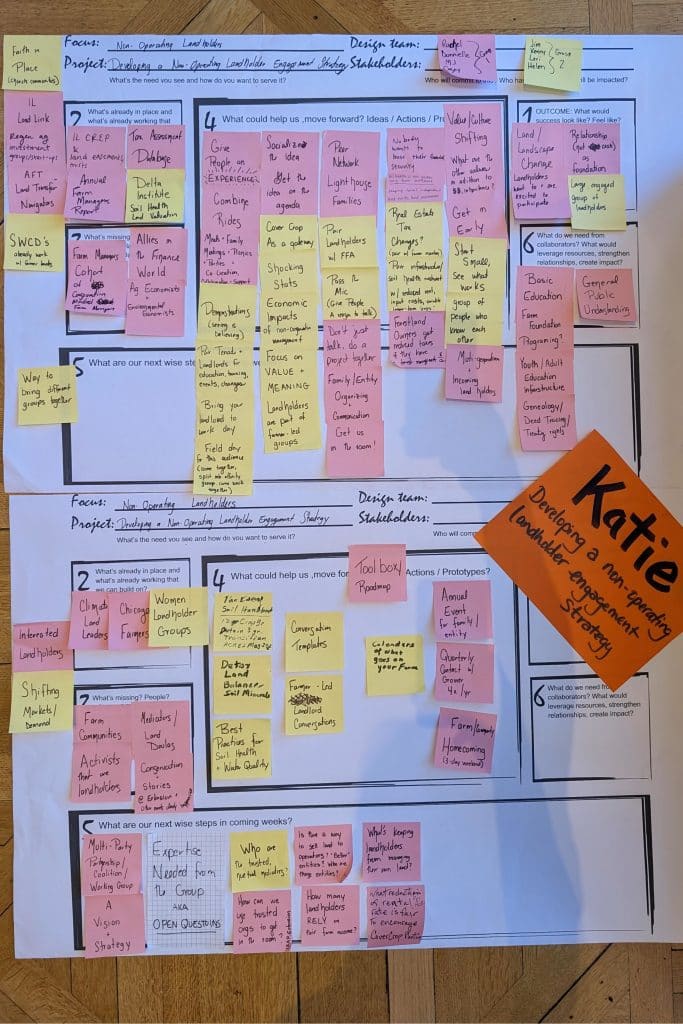
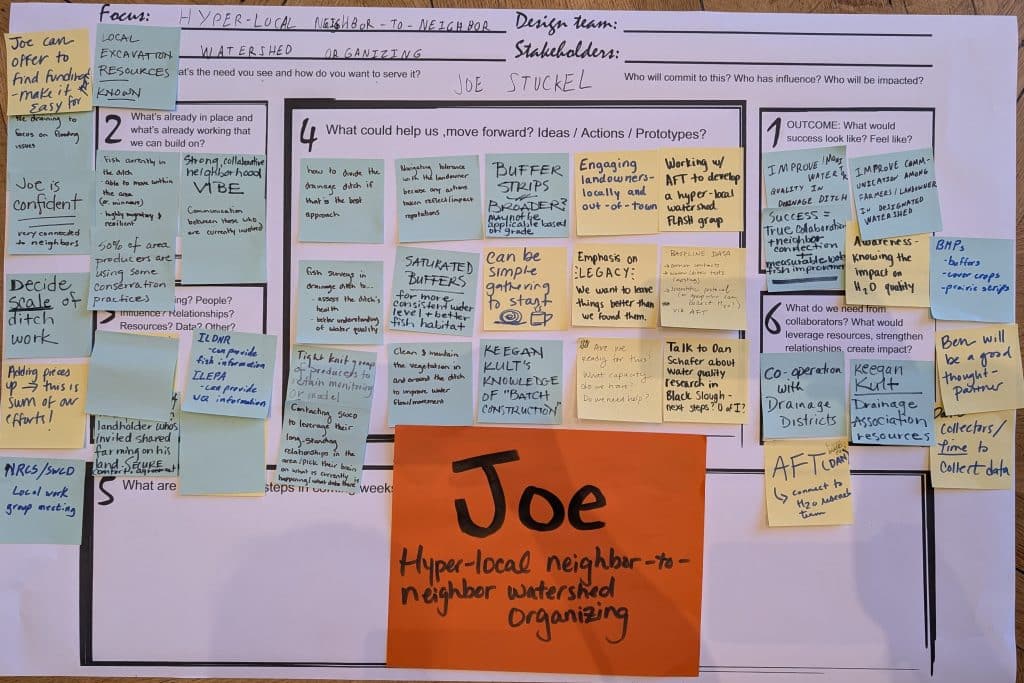
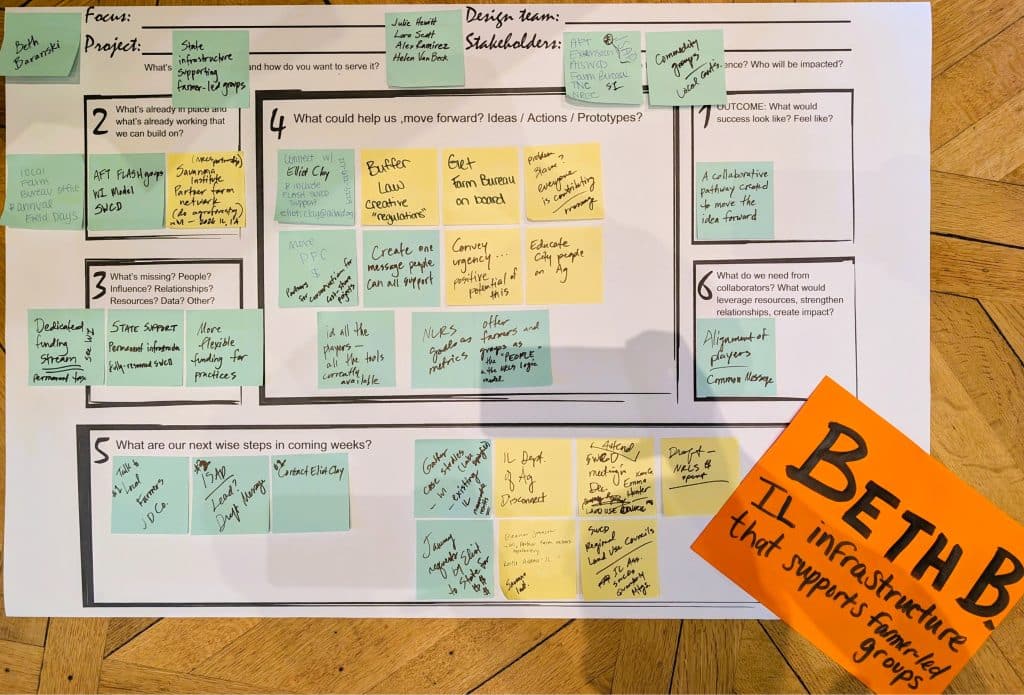
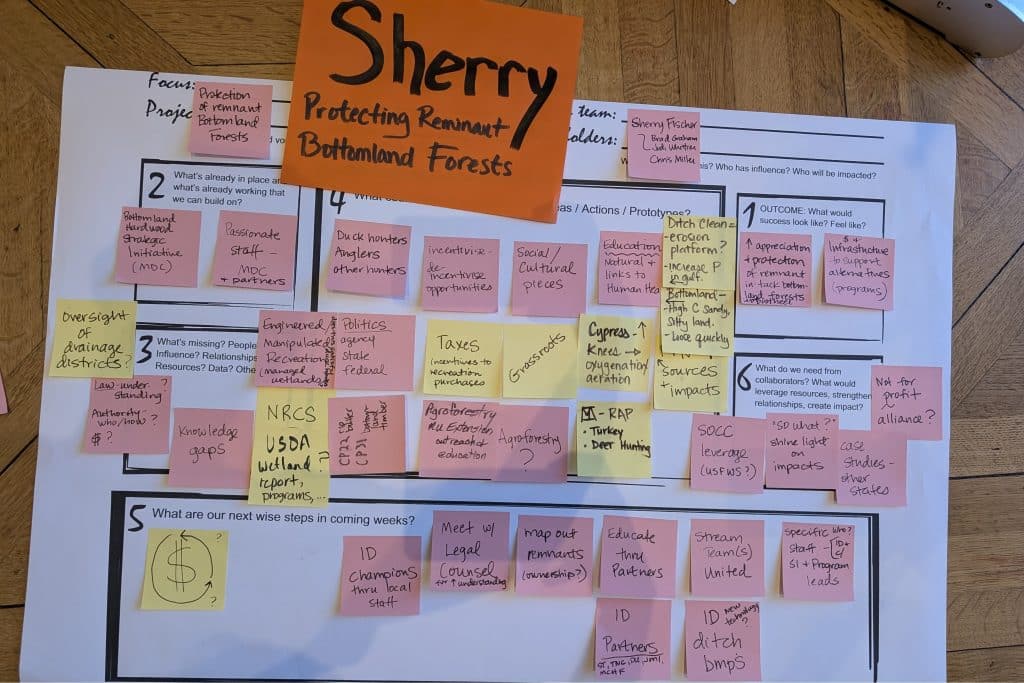
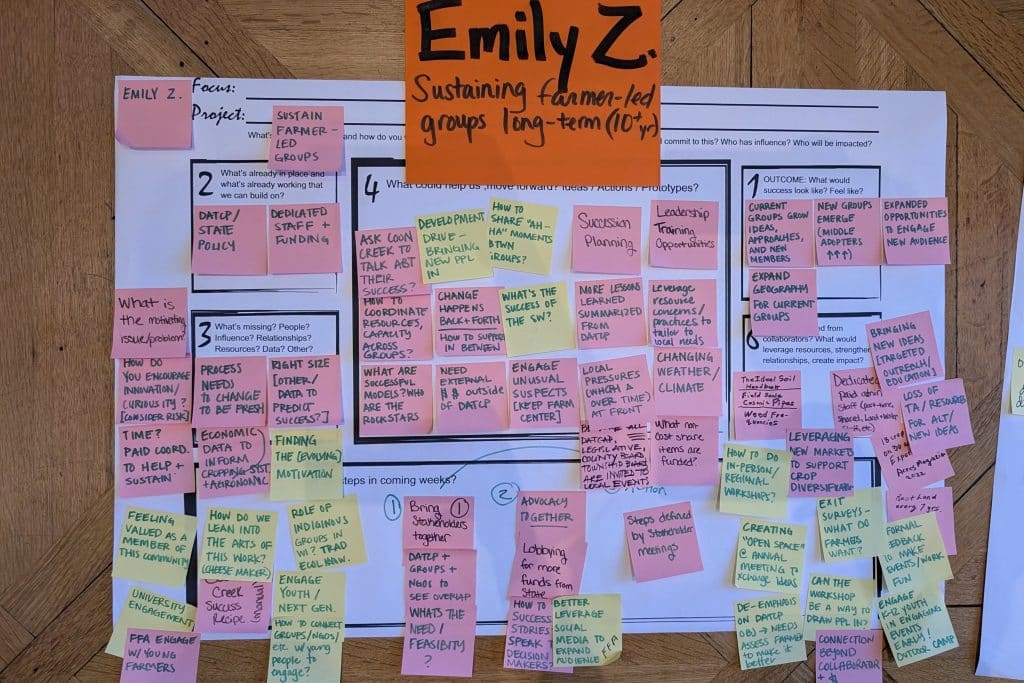
The final day was all about turning ideas into action. Participants engaged in a real-time Action Planning process, working in dedicated teams to transform workshop insights into concrete, achievable plans. Through multiple rounds of discussion and synthesis, groups identified priority needs, clarified roles, and outlined next steps—ensuring that the momentum built over the past two days would translate into meaningful work at home.
This collaborative planning wasn’t just theoretical—it was practical and forward-looking. Each team left with a clear roadmap, ready to implement strategies that strengthen conservation practices, build community networks, and advance shared goals. These plans are included below, and represent the foundation for ongoing work—designed to be practical, impactful, and ready for implementation.
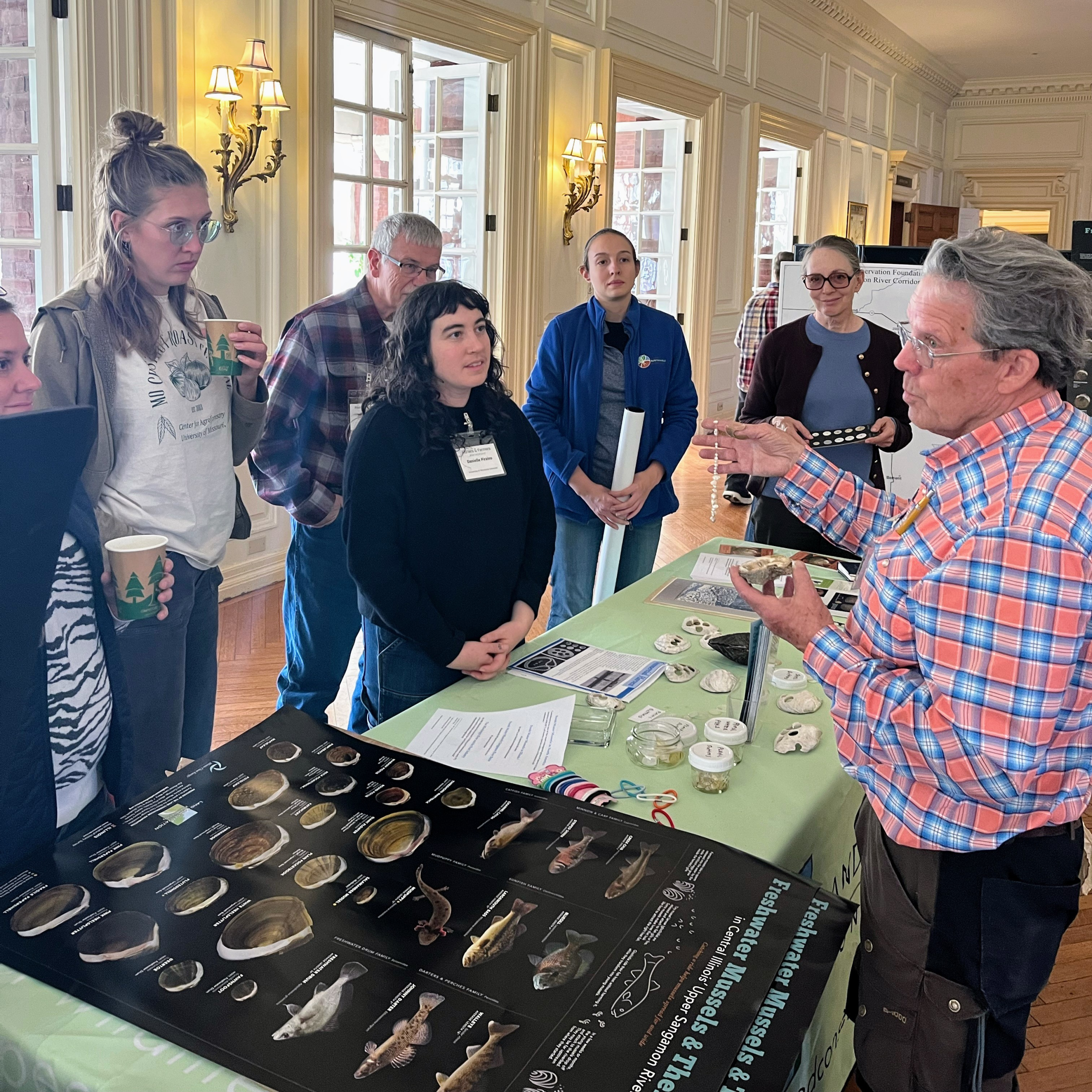
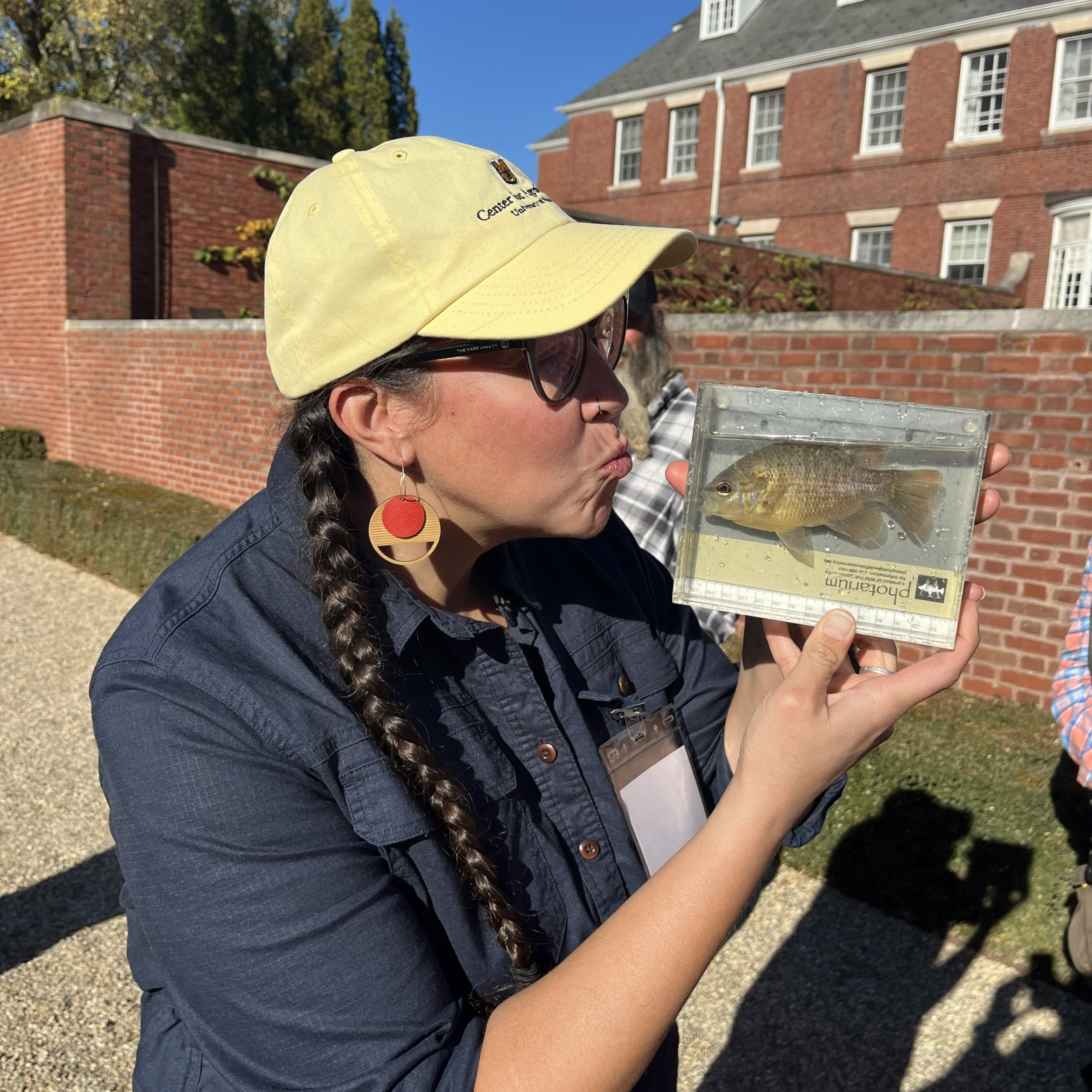
To close the workshop on an inspiring note, participants enjoyed hands-on demonstrations highlighting the connection between land and water health. The Land Conservation Foundation showcased over 20 species of freshwater mussel shells, revealing their unique reproductive strategies, their critical role in cleaning waterways, and how environmental DNA helped rediscover a species once thought extinct in Illinois. Afterwards, the group headed outdoors for a fish demonstration at Allerton Pond, hosted by the Illinois DNR, offering a close-up look at aquatic species impacted by agriculture.
Creating a Watershed Group in Macon County, Illinois
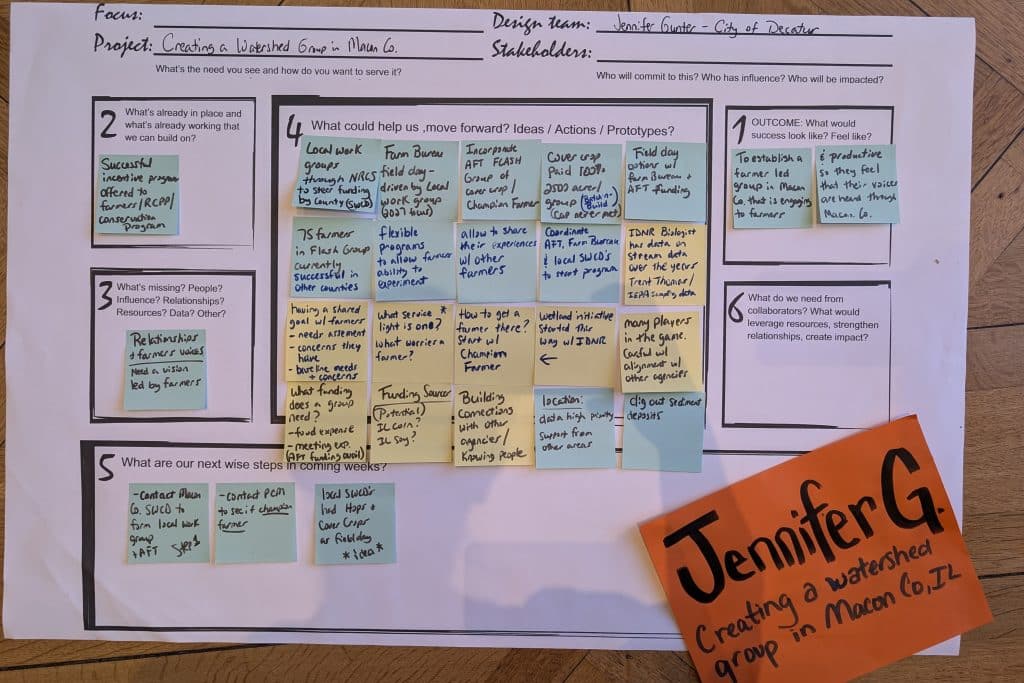
Developing a non-operating Landholder Engagement Strategy
Hyper-local, neighbor to neighbor, watershed organizing
Illinois infrastructure that supports farmer-led groups
protecting remnant bottomland forests
sustaining farmer-led groups long term (10+ years)
This three-day workshop brought together farmers, conservation professionals, and partners to explore innovative practices, strengthen relationships, and turn ideas into action. These experiences underscored the importance of integrated conservation—and left participants equipped with actionable plans and renewed energy to make a difference.
Thank you to all who supported this workshop, allowing farmers and watershed leaders across the Midwest to JOIN THE CONVERSATION!